

PDC Drill Bit vs Tricone Bit: What Is the Difference?
Comparing cutting mechanism, formation suitability, drilling stability and cost per meter
PDC drill bits and tricone drill bits are two major types of rotary drilling tools. However, they remove rock in very different ways.
Choosing between them requires more than comparing price or diameter. In fact, the right choice depends on the formation, the rig and the total drilling cost.
Quick summary: PDC bits cut by shearing and often work well in soft to medium-hard formations. Tricone bits crush and fracture rock and cover a very wide range of formations. Therefore, the best choice depends on the formation and the total drilling economics.

PDC Bits Cut by Shearing
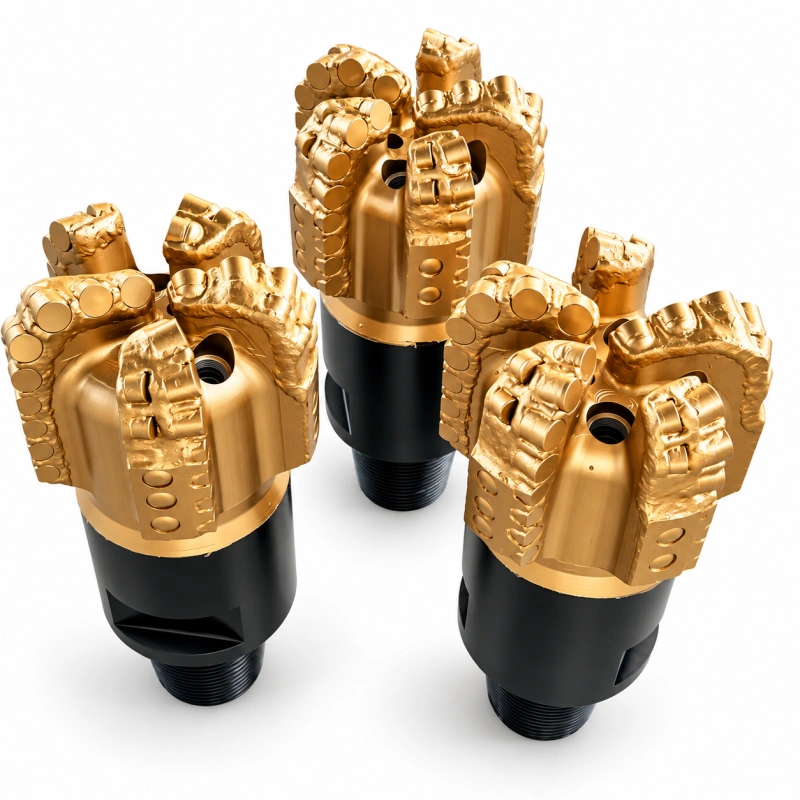
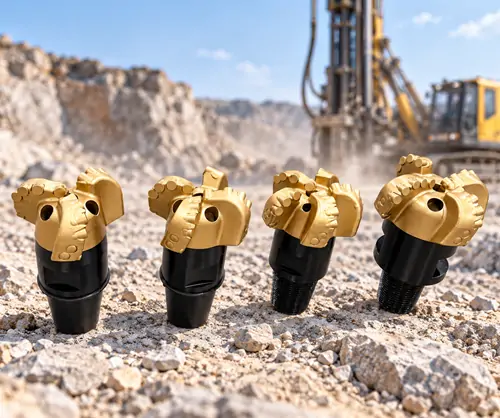
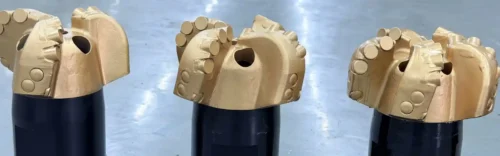
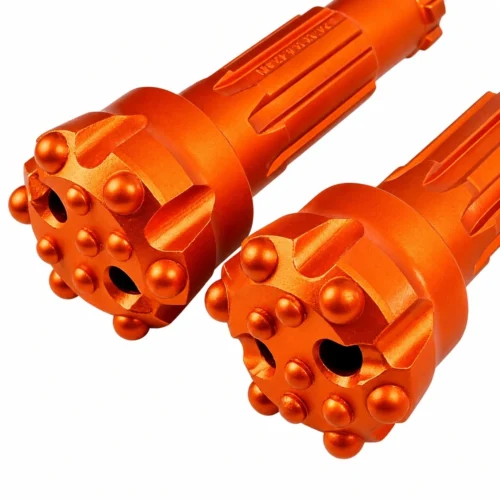
A PDC bit uses fixed cutting elements. As the bit rotates, these cutters shear material from the bottom of the borehole.
In suitable soft to medium-hard formations, this shearing action can produce a high rate of penetration. In addition, because there are no rotating cones, the bit does not rely on cone bearings.
As a result, the overall structure is simpler than that of a roller cone bit.
Tricone Bits Crush and Fracture Rock
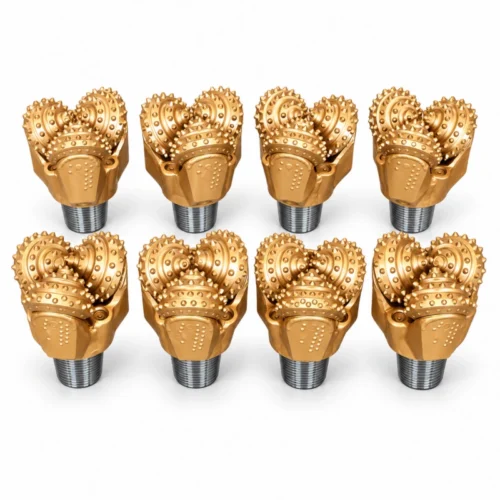
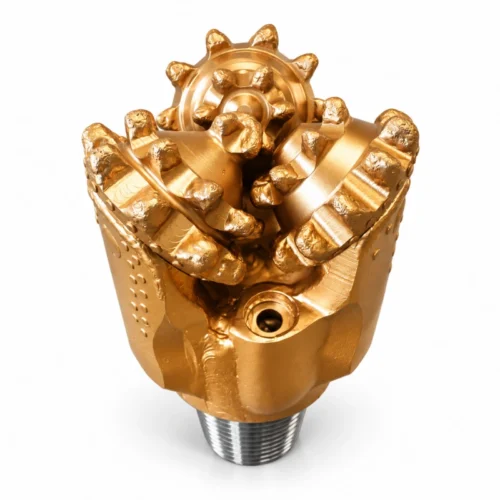
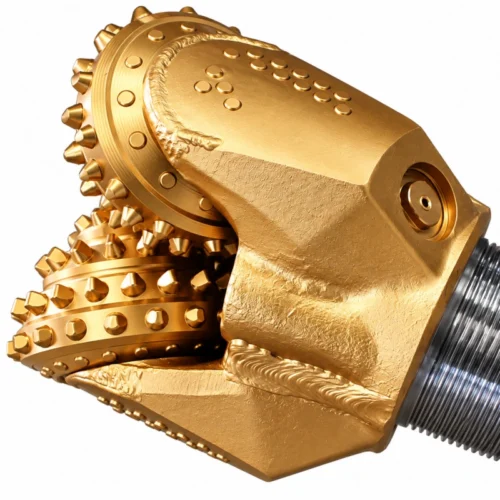
A tricone bit normally contains three rotating cones. As the bit rotates, the cones roll across the formation and the teeth repeatedly contact the rock.
Depending on the design, the teeth may be:
- Milled steel teeth
- Tungsten carbide inserts
Different tooth structures are used for different formations. For example, steel teeth are common in softer rock, while tungsten carbide inserts are often used in harder or more abrasive rock.
Formation Selection: A Simplified Comparison
| Bit Type | Typical Formation Range | Cutting Mechanism |
|---|---|---|
| PDC drill bit | Soft to medium-hard formations where shearing works well | Fixed cutters shear rock |
| Tricone drill bit | Very wide range — soft, medium and harder formations | Rolling cones crush and fracture rock |
However, these are general guidelines rather than strict rules. Rock abrasiveness, fractures, mixed layers, rig performance and operating parameters can all change the final selection.
Drilling Stability: Why Vibration Matters
Stable drilling conditions are important for fixed-cutter PDC bits. For example, strong vibration or impact can damage the cutting elements.
On the other hand, tricone bits work differently with the rock. Because of their rolling and crushing action, they may be chosen for certain changing formations.
Wear Characteristics: Where Each Bit Wears
PDC bit wear often appears on the cutters, the gauge area and the blade edges.
Meanwhile, tricone wear may involve the teeth or inserts, the gauge structure, the cone parts and the bearings.
Therefore, examining a used bit can provide useful information about drilling conditions.
Tip: Photos of worn bits are one of the most useful pieces of information you can send to a supplier. In other words, wear patterns often reveal more about the formation than a written description alone.
Cost Per Meter Matters More Than Bit Price
The cheapest bit is not always the least expensive drilling solution. Because of this, a contractor should consider several factors together:
- Purchase price
- Penetration rate
- Service life
- Number of bit changes
- Rig operating time
- Labor
- Fuel or energy consumption
For example, a more expensive bit may lower the total drilling cost if it drills more footage or drills faster.
What Information Should Be Provided to the Supplier?
For PDC bits:
- Diameter
- Connection
- Formation
- Application
- Rig information
For tricone bits, it also helps to provide:
- Required IADC code, if known
- Air or mud circulation conditions
- Previous bit performance
Frequently Asked Questions
Which is better, PDC or tricone?
Neither type is always better. PDC bits work well in many soft to medium-hard formations, while tricone bits cover a wide range of conditions. Therefore, the right choice depends on the formation and the total drilling cost.
Can a PDC bit replace a tricone bit?
In some soft to medium-hard formations, yes. However, in very hard, broken or highly abrasive rock, tricone bits or special PDC designs may still be needed.
Why do tricone bits use IADC codes?
The IADC code groups tricone bits by formation type, hardness and design. As a result, it helps match the bit to real rock conditions instead of choosing by diameter alone.
How do I compare drilling cost between PDC and tricone?
Compare cost per meter rather than bit price. For example, consider penetration rate, service life, bit changes, rig time, labor and energy use together.
Conclusion: Base the Decision on Formation and Economics
Neither PDC nor tricone bits are always better. PDC bits offer efficient shearing action in the right formations, while tricone bits provide a broad range of crushing structures for changing conditions.
In short, the correct decision should be based on the formation and the total drilling cost, not on the bit type alone.
Not sure whether a PDC or tricone bit fits your project? Send us your formation details and drilling conditions. Our team will help you compare the options.
Share your formation description, drilling method, bit diameter and connection requirements. We will review your project and recommend a suitable bit type.







 English
 Chinese
 Portuguese
 French
 Spanish
 Russian
 Turkish
 Vietnamese