

Alloy Drag Bits for Soft Formation Drilling
How alloy drag bits cut soft rock, where they work best and how to choose one
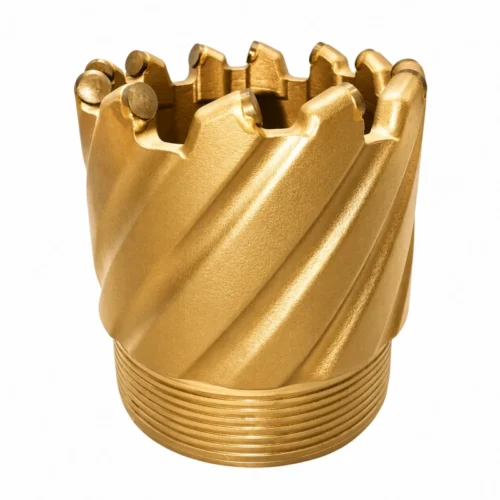
Drag bits are fairly simple rotary drilling tools. They are designed to cut and scrape the formation as the drill string turns.
For some soft and loose formations, an alloy drag bit can be a practical and low-cost drilling solution.
Quick summary: Alloy drag bits work well in clay, soil, soft shale and weathered rock. They are simple, fast in soft ground and easy to maintain. However, they are not meant to replace bits built for very hard or highly abrasive rock.

How a Drag Bit Works
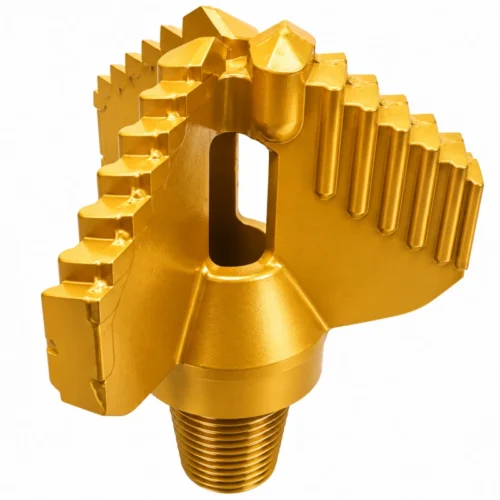
Unlike tricone bits with moving cones, a drag bit has a fixed body and cutting wings. Because of this, the design is simpler and has fewer moving parts.
The blades scrape and cut the formation, while circulation removes the cuttings.
Common setups can include:
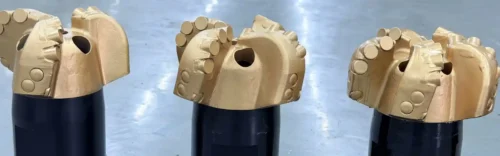
- Three-wing drag bits
- Four-wing drag bits
- Multi-wing customized designs
Suitable Formations for Alloy Drag Bits
Depending on the design, alloy drag bits may be considered for:
- Clay
- Soil
- Soft shale
- Weathered formations
- Loose sandstone
- Coal-related drilling
- Other fairly soft formations
However, they are generally not intended to replace bits made for very hard or highly abrasive rock.
Alloy Cutting Structure
Wear-resistant alloy inserts can be placed in the cutting area. As a result, durability is better than an unprotected steel cutting edge.
The exact alloy shape and layout depend on the bit design. For example, some bits use more inserts in high-wear zones to extend service life.
Advantages in Suitable Conditions
When used in the right formation, drag bits can offer:
- Simple construction
- Fast penetration in soft formations
- Large flushing passages
- Easy maintenance
- Competitive drilling cost
- Customized diameters and connections
In addition, because the structure has fewer complex parts, drag bits can be practical for many routine drilling jobs.
Importance of Cleaning
Soft formations may produce a large volume of cuttings. If those cuttings are not removed well, material can build up around the bit face.
Because of this, a suitable flushing system is important for keeping penetration steady.
Tip: In soft ground, poor cleaning is often the main reason for slow drilling — not the bit itself. In other words, check the flushing before changing the bit.
Drag Bit or PDC Bit?
Both can be used in certain soft formations, but they are not the same.
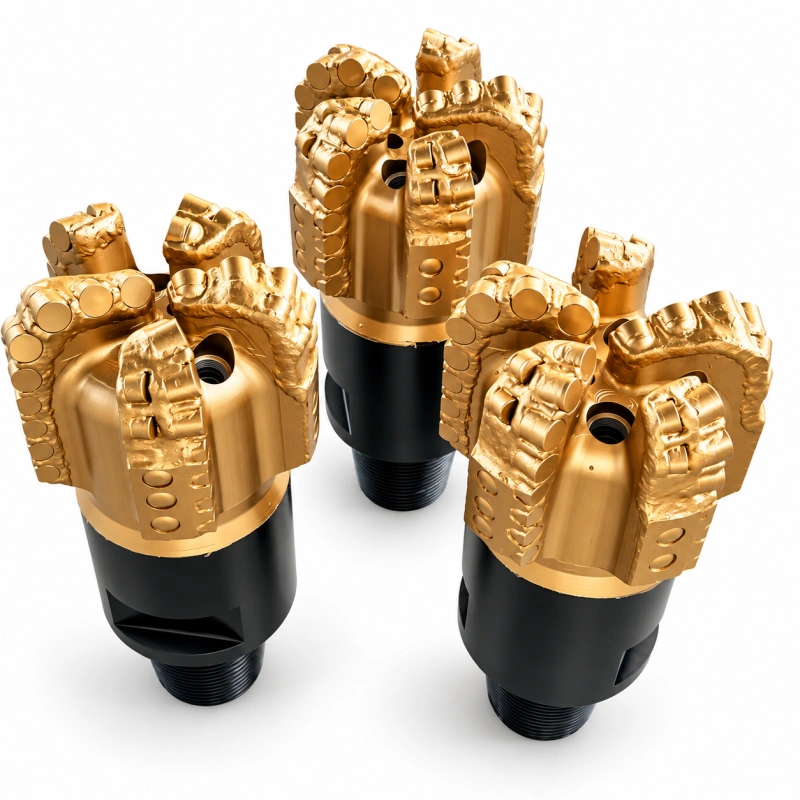
PDC bits use polycrystalline diamond compact cutters. These provide high wear resistance and efficient shearing.
Alloy drag bits use a different cutting material. They may offer a cost-effective option where the formation and drilling budget do not require PDC cutters.
In short, selection should be based on total drilling cost rather than the purchase price alone.
| Item | Alloy Drag Bit | PDC Bit |
|---|---|---|
| Cutting material | Wear-resistant alloy inserts | Polycrystalline diamond compact cutters |
| Best formation | Clay, soil, soft shale, weathered rock | Soft to medium-hard formations |
| Wear resistance | Moderate | High |
| Cost | Lower purchase price | Higher purchase price, longer life |
| Best use | Routine soft-ground drilling | Longer footage, harder rock |
Ordering Information
Before ordering, please provide:
- Bit diameter
- Thread connection
- Formation
- Drilling depth
- Rig type
- Required blade quantity
- Circulation method
In addition, customized structures may be produced when standard designs are not suitable.
Frequently Asked Questions
What is an alloy drag bit used for?
An alloy drag bit is used for soft formation drilling, such as clay, soil, soft shale, weathered rock and loose sandstone. It scrapes and cuts the formation as the drill string rotates.
Can an alloy drag bit drill hard rock?
No. Alloy drag bits are not designed for very hard or highly abrasive rock. For those conditions, tricone bits or PDC bits are usually better choices.
What is the difference between an alloy drag bit and a PDC bit?
Both can drill soft formations, but PDC bits use diamond compact cutters with higher wear resistance. Alloy drag bits use alloy inserts and often cost less, which can be useful in routine soft-ground drilling.
Why does my drag bit drill slowly in soft ground?
In soft formations, poor cleaning is a common cause. If cuttings build up around the bit face, penetration drops. Check the flushing system and circulation method first.
Conclusion: A Practical Tool for the Right Ground
Alloy drag bits remain useful drilling tools for the right soft formations. Their value comes from simple construction, efficient cutting action and the ability to adapt the structure to different drilling needs.
In short, when the formation is soft and the budget is tight, an alloy drag bit can be a smart and economical choice.
Drilling soft ground and looking for a simple, low-cost bit? Send us your formation details and drilling conditions. Our team will help you choose the right alloy drag bit.
Share your formation description, drilling method, bit diameter and connection requirements. We will review your project and recommend a suitable blade structure and alloy layout.







 English
 Chinese
 Portuguese
 French
 Spanish
 Russian
 Turkish
 Vietnamese