

Questions to Answer Before Ordering a Custom Drill Bit
Ten practical questions that help your supplier recommend the right bit structure
Many drilling-tool inquiries start with only one piece of information: “I need a 152 mm drill bit.”
Diameter is important. However, it is rarely enough to pick the right drilling tool. Because of this, answering a few key questions before ordering can help a lot.
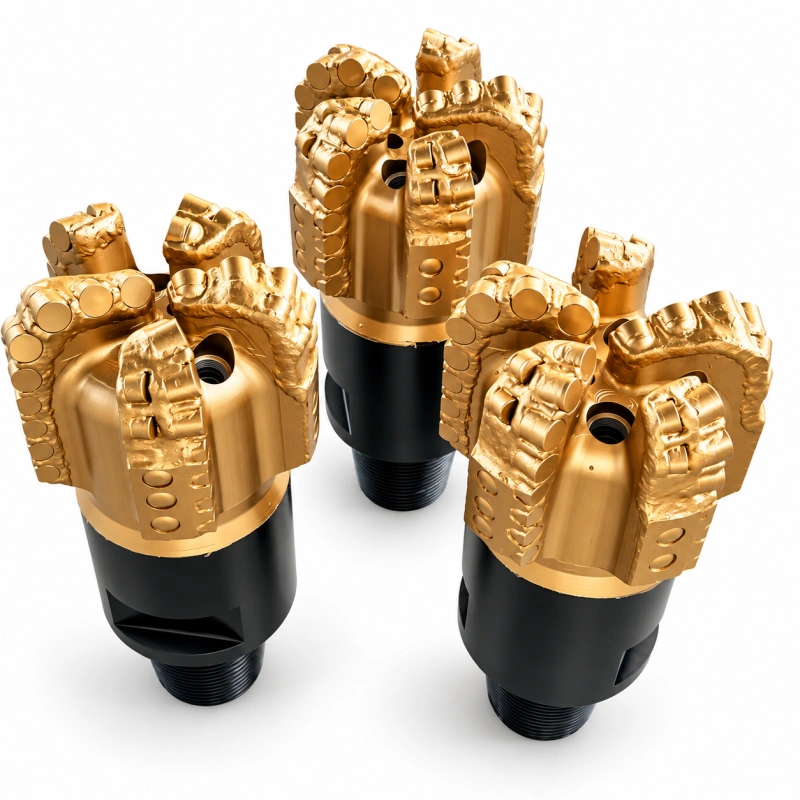
Before ordering a custom PDC, drag, core or other rotary drill bit, the ten questions below can help the maker suggest a more suitable structure.
Quick summary: A good inquiry covers diameter, formation, abrasiveness, connection, rig, depth, circulation, current bit, the problem to solve and the main goal. In short, better information leads to a better recommendation.
1. What Hole Diameter Do You Need?
Give the required diameter in millimeters or inches. If the hole will be enlarged later, mention both the pilot-hole and final-hole sizes.
2. What Formation Will You Drill?
Describe the rock as clearly as you can. For example:
- Clay
- Coal
- Sandstone
- Mudstone
- Shale
- Limestone
- Dolomite
- Weathered rock
- Broken formation
If several formations appear in the same hole, give the rough drilling order.
3. Is the Formation Abrasive?
Abrasiveness affects cutter wear and gauge protection. Because of this, photos of drill cuttings or worn bits can give useful clues.
4. What Connection Do You Need?
Examples may include:
- 2 3/8 REG
- 2 7/8 REG
- 3 1/2 REG
- 4 1/2 REG
- NC-series connections
- Other custom threads
Never assume that two bits of the same diameter use the same connection.
5. What Drilling Rig Are You Using?
The rig decides the available:
- Torque
- Rotary speed
- Feed force
- Circulation capacity
Giving the rig model can help check whether the proposed bit fits your setup.
6. What Is the Drilling Depth?
Shallow construction holes and deeper water wells can create different working conditions. Meanwhile, depth also affects flushing needs.
7. What Circulation Method Do You Use?
Tell the supplier whether you use:
- Water
- Drilling mud
- Compressed air
- Another circulation method
In short, cleaning capacity affects bit design and drilling performance.
8. What Bit Are You Using Now?
If possible, give:
- Photos
- Diameter
- Brand
- Cutter structure
- Service life
- Problems encountered
As a result, a worn bit can hold useful clues about the drilling conditions.
9. What Problem Are You Trying to Solve?
For example:
- Bit wears too fast
- Penetration is too slow
- Gauge wears quickly
- Cutters break
- Bit becomes blocked
- Hole deviation is too large
In other words, customization should solve a defined drilling problem, not just make the product look different.
10. What Is More Important: Speed, Life or Cost?
These goals may need different design priorities. Some contractors want the highest penetration rate. Others need longer bit life because changing the bit is costly.
Because of this, understanding the economic goal helps the supplier recommend a better solution.
| Main Goal | Design Focus |
|---|---|
| Maximum speed | Aggressive cutter layout, open waterways |
| Longer bit life | Stronger gauge protection, more wear-resistant cutters |
| Lower cost | Simple structure, balanced cutter count |
| Mixed goals | Balanced design based on formation and rig |
A Better Inquiry Produces a Better Recommendation
A professional drilling-tool inquiry might look like this:
“Required diameter: 152 mm. Connection: 3 1/2 REG. Formation: sandstone and limestone with some broken zones. Hole depth: about 180 m. Application: water well drilling. Please recommend a suitable bit structure.”
That information is far more useful than simply asking for a price on a “152 mm bit.”
Frequently Asked Questions
Why is diameter not enough to order a custom drill bit?
Because two bits of the same diameter can differ in cutter layout, blade design, gauge protection and connection. Therefore, formation, rig and drilling method also matter.
What information matters most for a custom drill bit?
Formation type, abrasiveness, hole diameter, connection, rig model, drilling depth and circulation method are the most important details. Photos of worn bits also help a lot.
Can a supplier recommend a bit without photos?
Yes. However, photos of worn bits or drill cuttings help the supplier understand wear patterns and drilling conditions much faster.
Should I choose speed, life or cost first?
It depends on the project. For example, some contractors need maximum speed, while others need longer bit life to reduce rig downtime. As a result, the main goal should be stated clearly in the inquiry.
Conclusion: Custom Bits Work Best with Real Data
Custom drilling tools work best when the design is based on real drilling data. Giving formation, diameter, connection, equipment and operating details helps the maker give a more informed recommendation.
In short, a clear inquiry can reduce needless trial and error, save time and lower the total drilling cost.
Ready to order a custom drill bit? Send us your answers to these ten questions and our team will recommend a suitable structure for your project.
Share your formation description, drilling method, bit diameter and connection requirements. We will review your project and respond with a practical recommendation.






 English
 Chinese
 Portuguese
 French
 Spanish
 Russian
 Turkish
 Vietnamese