

How to Choose the Right Drill Bit for Different Rock Formations
A practical guide for water well, mining, geothermal and exploration drilling projects
Choosing the right drill bit is one of the most important decisions in any drilling project. A bit that performs well in soft clay may drill slowly or suffer premature damage when used in harder limestone or abrasive sandstone.
The best choice depends not only on rock hardness, but also on formation structure, abrasiveness, drilling method, available torque, rotary speed and flushing conditions.
Quick summary: Soft formations favor drag and PDC bits. Medium-hard to hard formations often require PDC or tricone bits. Abrasive formations demand attention to cutter quality, gauge protection and hardfacing. Mixed formations may need more than one bit type across the hole.
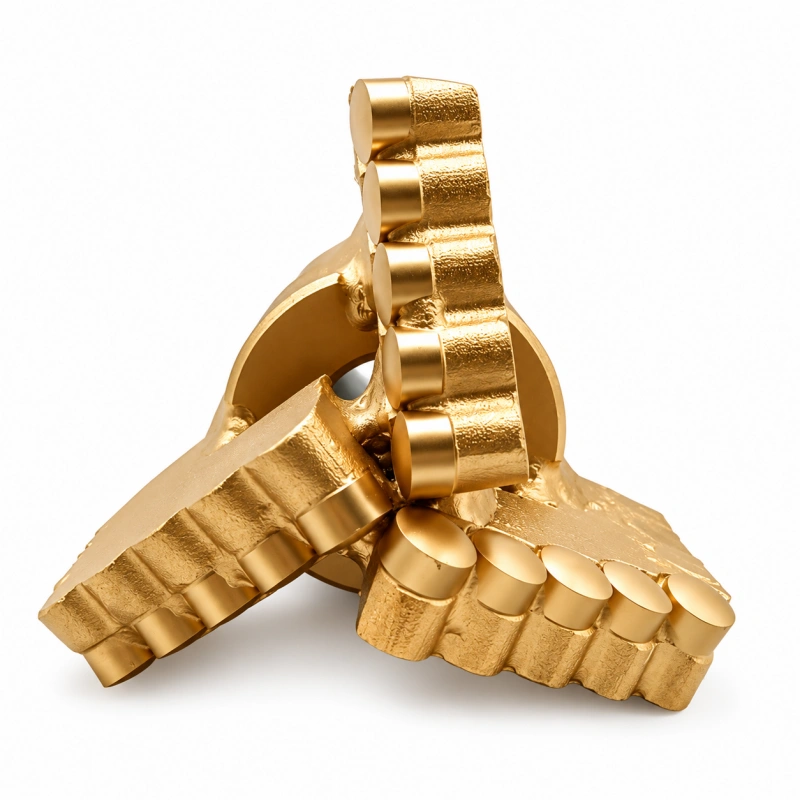
Soft Formations: Clay, Shale, Coal and Unconsolidated Sandstone
Soft formations may include clay, soft shale, coal, unconsolidated sandstone and some weathered formations.
In these conditions, the main objective is usually fast penetration and efficient removal of cuttings.
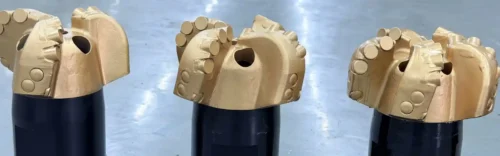
Drag bits and PDC drag bits can be effective because their cutting structure continuously shears the formation rather than crushing it.
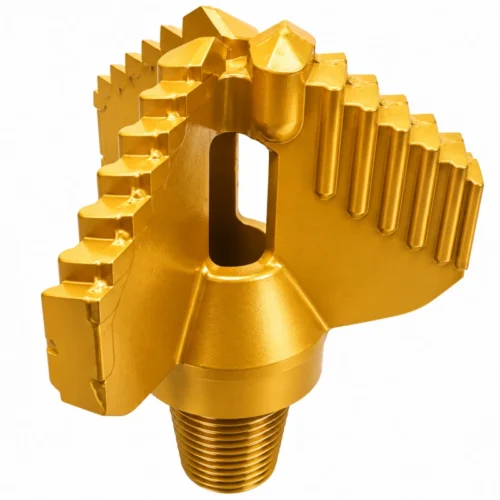
Three-wing, four-wing and other blade configurations can be selected depending on hole diameter, stability and required flow area.
Soft to Medium-Hard Formations: Where PDC Bits Excel
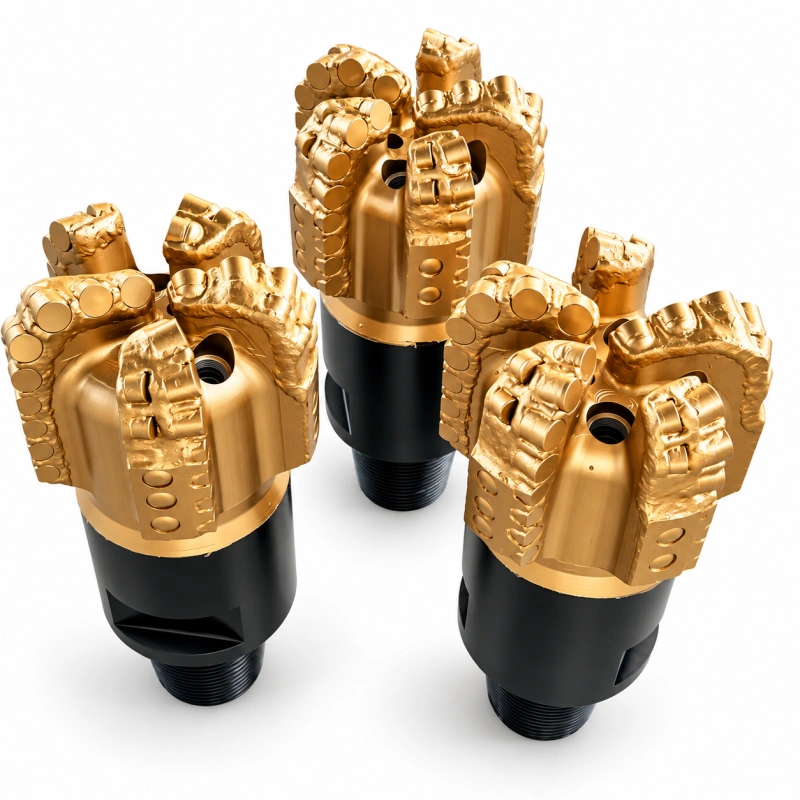
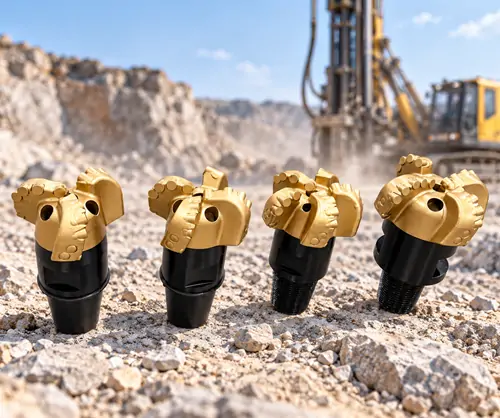
PDC drill bits are widely used in many soft to medium-hard formations.
The polycrystalline diamond compact cutters provide high wear resistance and efficient shearing action. Depending on the design, PDC bits may be used for:
- Water well drilling
- Geothermal drilling
- Grouting holes
- Coal mine drilling
- Anchor holes
- Geological exploration
- Construction drilling
Formation conditions still matter. Broken or highly fractured formations may require a different blade structure and stronger gauge protection than relatively complete formations.
Medium to Hard and Mixed Formations: Tricone Drill Bits
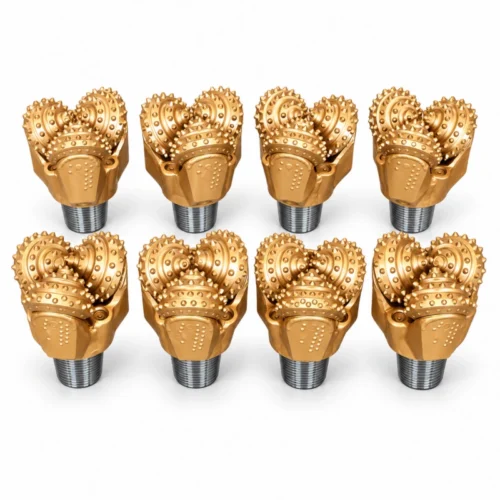
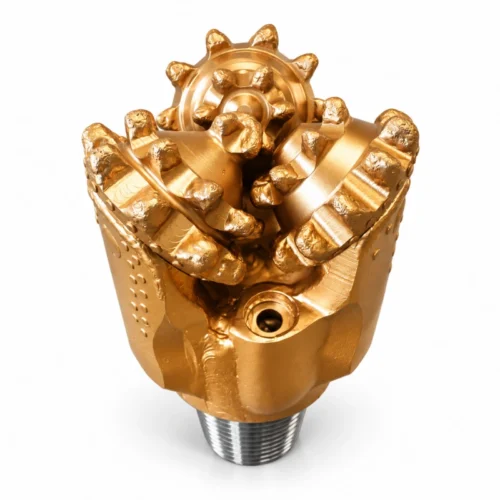
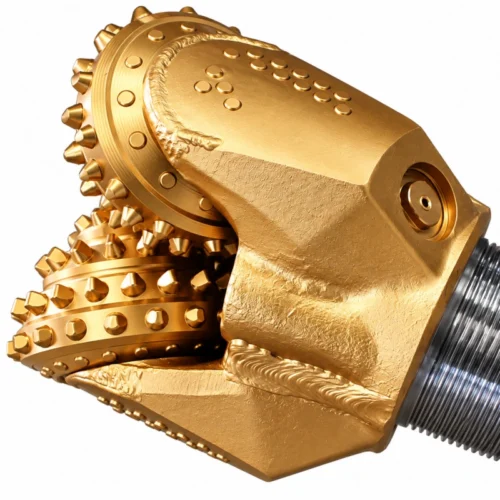
Tricone drill bits are often considered when formations become harder, more variable or require crushing action.
Roller cone bits use rotating cones equipped with either milled steel teeth or tungsten carbide inserts.
Steel tooth bits are generally associated with softer formations, while tungsten carbide insert designs can be manufactured for medium to harder and more abrasive formations.
The correct IADC type should be selected according to the actual formation rather than simply selecting a bit based on diameter.
Tip: When ordering tricone bits, always specify the IADC code, formation description and drilling method. This helps the manufacturer recommend the most suitable tooth or insert design.
Abrasive Formations: Why Abrasiveness Can Matter More Than Hardness
Abrasiveness can sometimes be more important than compressive strength.
Sand-rich formations can rapidly wear gauge surfaces, blade edges and exposed cutting structures.
For abrasive drilling conditions, buyers should pay attention to:
- Cutter quality
- Gauge protection
- Hardfacing
- Blade reinforcement
- Body material
- Hydraulic cleaning
Formation Changes During Drilling: Plan the Whole Hole
Many drilling projects do not encounter a single uniform formation.
A borehole may pass through soil, sandstone, shale, limestone and fractured zones. In such conditions, using one bit for the entire hole may not always provide the lowest drilling cost.
Professional bit selection should consider the complete drilling profile.
Information to Provide Before Ordering a Drill Bit
Before purchasing a drill bit, it is useful to provide the manufacturer with:
| Information | Why It Matters |
|---|---|
| Required bit diameter | Determines hole size and connection options |
| Connection or thread type | Ensures compatibility with the drill string |
| Formation description | Guides cutter type, blade design and IADC code |
| Drilling depth | Affects bit life expectations and wear resistance |
| Drilling machine model | Helps match torque, rotation speed and flushing |
| Rotary speed if known | Supports optimization of cutting structure |
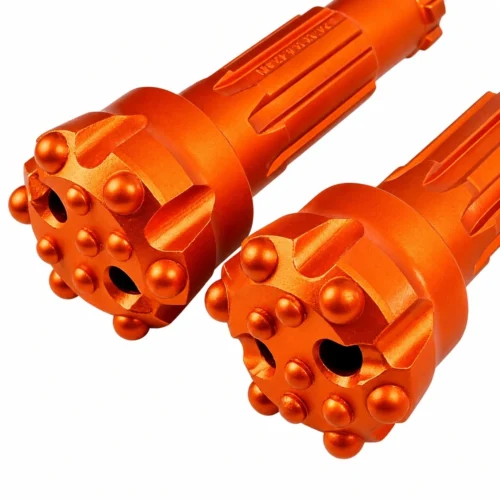
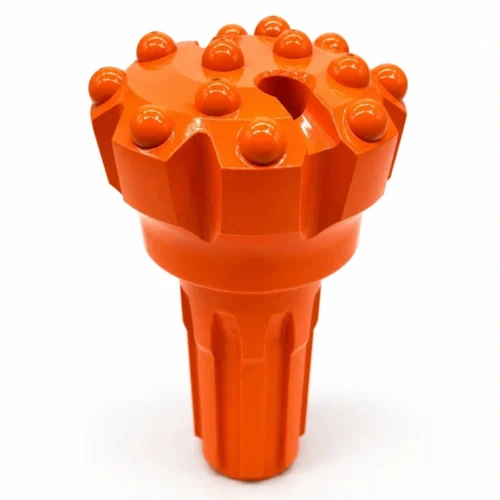
| Drilling method | Rotary, DTH, core drilling or other methods |
| Photos of previously used bits | Shows wear patterns and failure modes |
This information allows the bit structure to be selected or customized more accurately.
Frequently Asked Questions
What is the best drill bit for hard rock?
For hard and abrasive rock, tungsten carbide insert tricone bits or specially designed PDC bits with strong gauge protection are often used. The final choice depends on compressive strength, abrasiveness, drilling method and rig capability.
Can I use a PDC bit for all formations?
No. PDC bits perform very well in soft to medium-hard formations, but highly fractured, hard or abrasive formations may require tricone bits or customized PDC designs.
What is the IADC code and why does it matter?
The IADC code classifies tricone bits by formation type, hardness and design features. Selecting the correct IADC code helps match the bit to the actual rock conditions rather than choosing by diameter alone.
How do I reduce drilling cost when formations change?
Consider the complete drilling profile instead of using one bit for the whole hole. In mixed formations, selecting different bits for different sections can improve penetration rate, reduce bit changes and lower overall cost.
Conclusion: Match the Bit to the Rock, the Rig and the Job
There is no single drill bit that is ideal for every formation.
Successful drilling depends on matching the bit design to the rock, equipment and operating conditions. Correct selection can improve penetration rate, reduce unnecessary bit changes and lower overall drilling cost.
For special formations or non-standard drilling requirements, customized cutter layout, blade structure, connection and diameter may provide better results.
Need help selecting the right drill bit for your formation? Send us your drilling conditions and our team will recommend a suitable bit type, IADC code or customized design.
Share your formation details, drilling method, bit diameter and connection requirements. We will review your project and respond with a practical recommendation.






 English
 Chinese
 Portuguese
 French
 Spanish
 Russian
 Turkish
 Vietnamese