
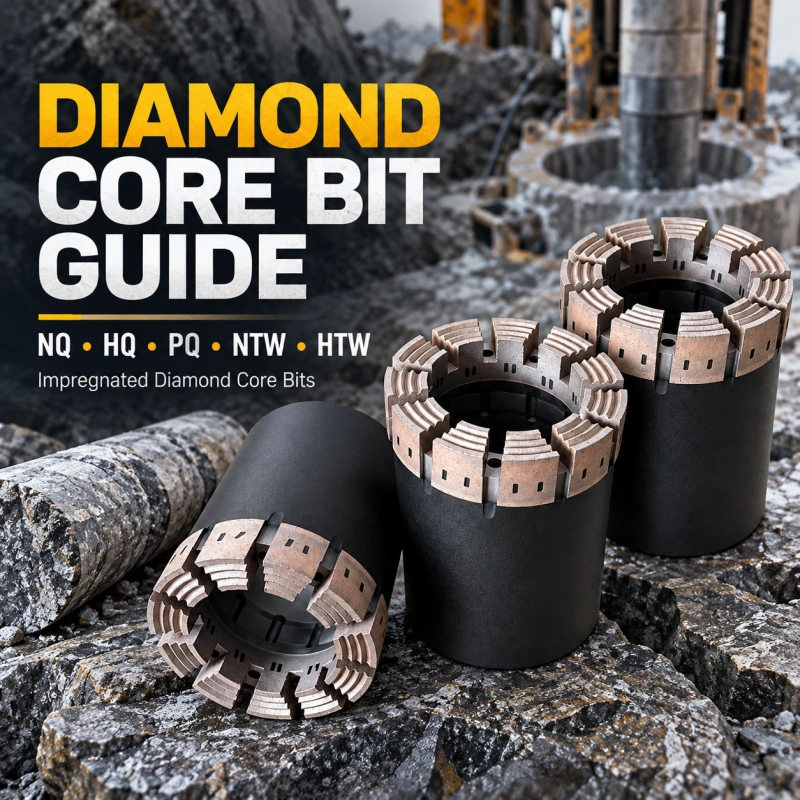


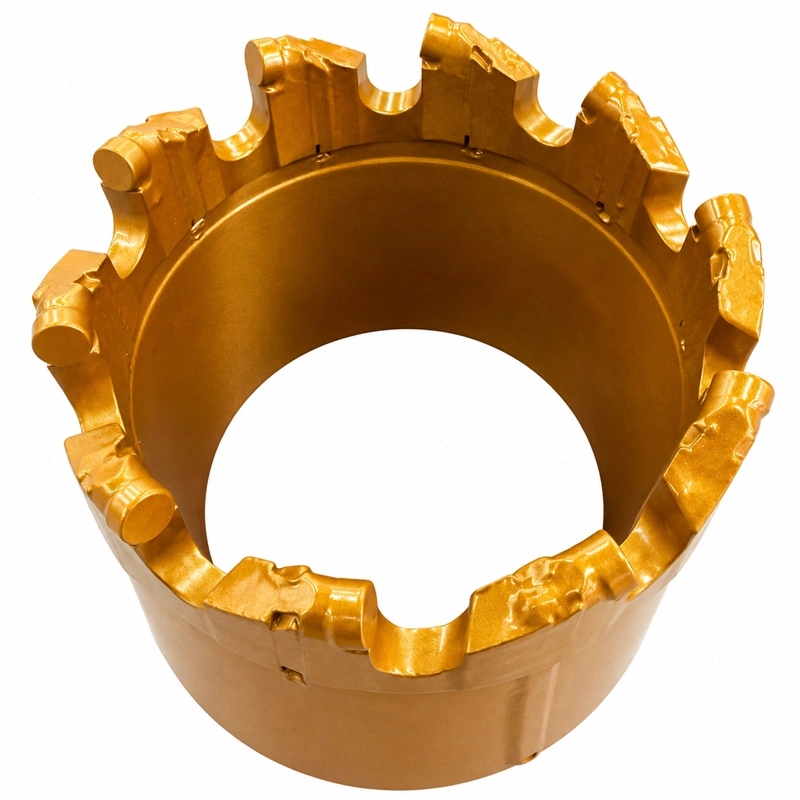
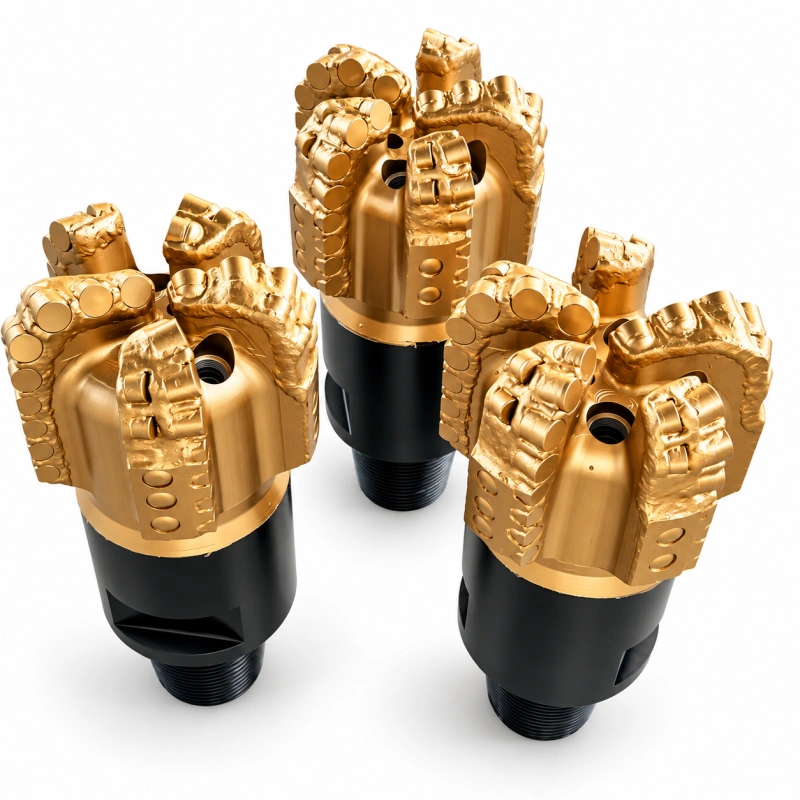
DTH Drilling: How a Down-the-Hole Hammer Works
Working principle, system components, air supply and bit selection for DTH hammer drilling
Down-the-hole drilling, often called DTH drilling, uses a pneumatic hammer placed right behind the drill bit.
Instead of sending impact energy from the surface through the whole drill string, the hammer strikes close to the bottom of the hole. Because of this, more energy reaches the rock.
Quick summary: DTH drilling combines impact, rotation and compressed-air circulation. The hammer, bit, drill pipe and compressor must work as one matched system to get good penetration and long tool life.
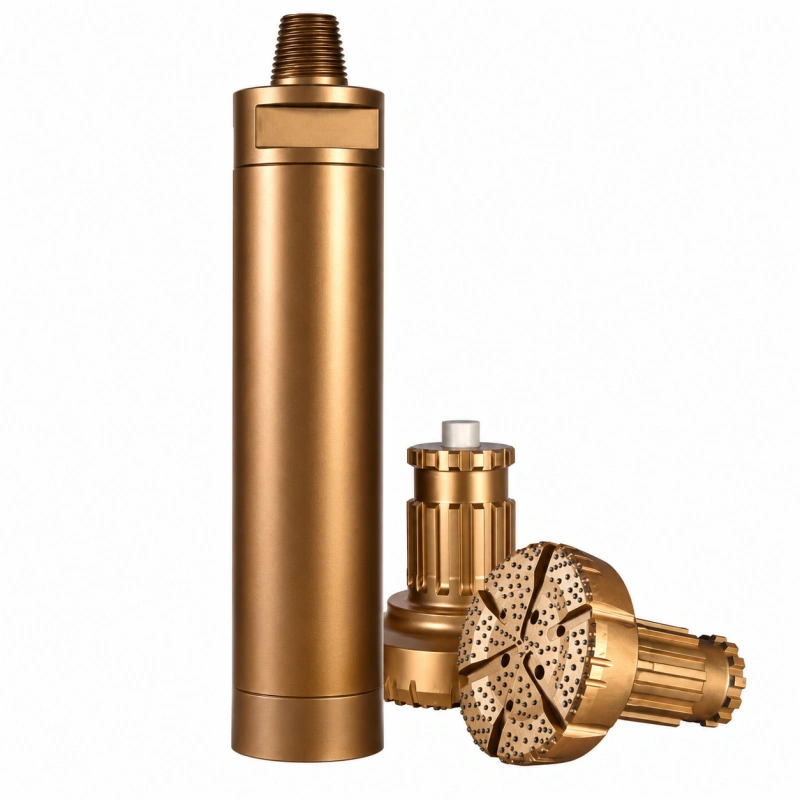
Basic DTH System
A typical DTH drilling system includes:
- Air compressor
- Drill rig
- Drill pipes
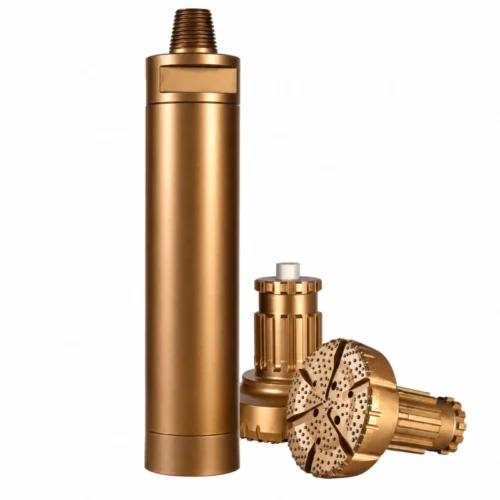
- DTH hammer
- DTH drill bit
Compressed air travels through the drill string to run the hammer. In addition, the air helps remove rock cuttings from the hole.
Impact and Rotation
DTH drilling combines two actions. First, the hammer strikes the drill bit again and again. Second, the drill string rotates so the buttons hit new areas of rock after each impact.
As a result, this combination breaks the formation step by step.
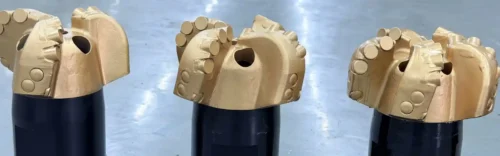
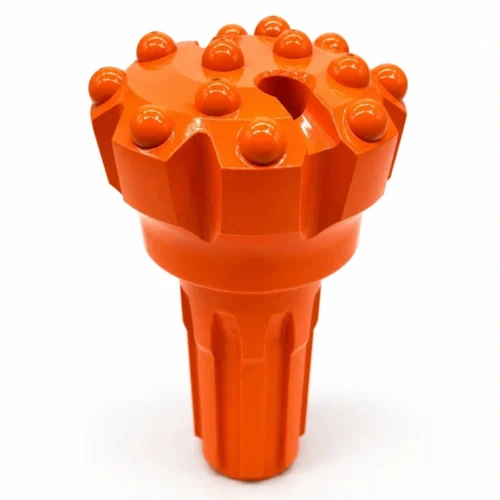
DTH Matkap Uçları
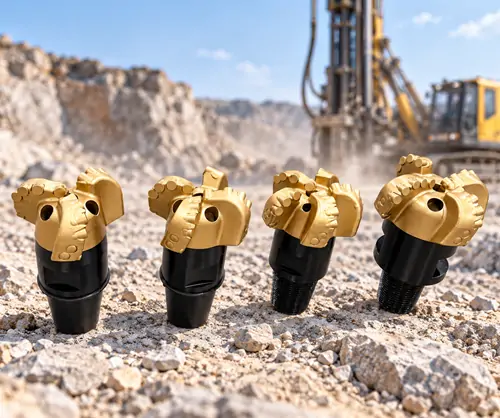
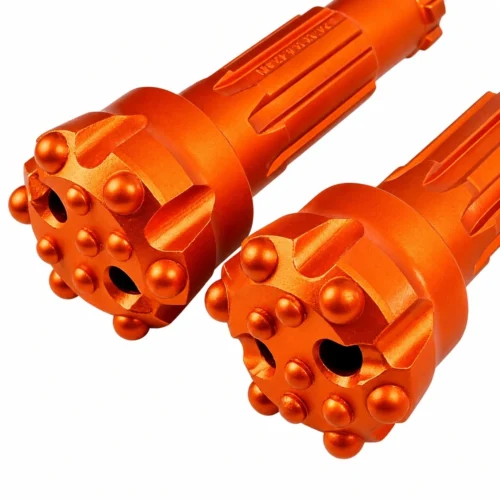
DTH bits commonly use tungsten carbide buttons set in the bit face. However, button shape and face design can vary depending on the application.
Important areas include:
- Face buttons
- Gauge buttons
- Flushing holes
- Bit face profile
- Shank connection
In short, the bit must match the hammer model and shank design.
Common Applications
DTH drilling is used in many industries, including:
- Water wells
- Quarry drilling
- Mining
- Geothermal drilling
- Construction
- Foundation work
- Blast-hole drilling
For example, the method is well known for drilling competent rock formations.
Air Supply
A DTH hammer depends on compressed air. If air volume or pressure is too low, hammer performance and cuttings removal both drop.
Because of this, the compressor should be chosen according to:
- Hammer size
- Hole diameter
- Drilling depth
- Groundwater conditions
- Manufacturer requirements
Cuttings Removal
Removing broken rock efficiently is essential. Normally, cuttings are carried upward through the annular space between the drill string and the borehole wall.
However, poor removal can lower drilling efficiency and increase regrinding of broken material.
Tip: In DTH drilling, poor hole cleaning is often mistaken for low hammer power. In other words, check the air volume and return velocity before blaming the hammer.
Selecting DTH Equipment
Before selecting a hammer and bit, consider:
| Item | Why It Matters |
|---|---|
| Hole diameter | Determines bit size and hammer model |
| Formation | Guides button shape and face design |
| Drilling depth | Affects air pressure and volume needs |
| Compressor capacity | Must match hammer air consumption |
| Rig capacity | Supports rotation speed and feed force |
| Hammer shank type | Must match the bit shank connection |
In short, the hammer, bit, drill pipe and compressor should work as one matched system.
Frequently Asked Questions
What does DTH mean in drilling?
DTH stands for down-the-hole. In DTH drilling, a pneumatic hammer is placed directly behind the drill bit, so impact energy is delivered at the bottom of the hole instead of from the surface.
How does a DTH hammer break rock?
A DTH hammer breaks rock by combining two actions. The hammer strikes the bit repeatedly, and the drill string rotates so the buttons hit fresh rock after each impact.
What is the role of compressed air in DTH drilling?
Compressed air runs the hammer and also removes rock cuttings from the hole. If air volume or pressure is too low, both hammer performance and hole cleaning suffer.
What formations are best for DTH drilling?
DTH drilling is well known for competent rock formations. It is widely used in water wells, quarry drilling, mining, geothermal drilling, construction and blast-hole drilling.
Conclusion: The Whole System Determines Performance
DTH drilling uses impact energy at the bottom of the hole, combined with rotation and compressed-air circulation.
In short, good performance depends not only on the hammer, but on matching the complete drilling system to the hole diameter and formation.
Need help matching a DTH hammer and bit to your rig and compressor? Send us your hole diameter, formation and air supply details. Our team will recommend a suitable configuration.
Share your formation description, drilling depth, compressor capacity and hammer shank type. We will review your project and respond with a practical recommendation.







 English
 Chinese
 Portuguese
 French
 Spanish
 Russian
 Turkish
 Vietnamese