

Steel Tooth vs TCI Tricone Drill Bits
How tooth structure, formation and IADC code affect tricone bit selection
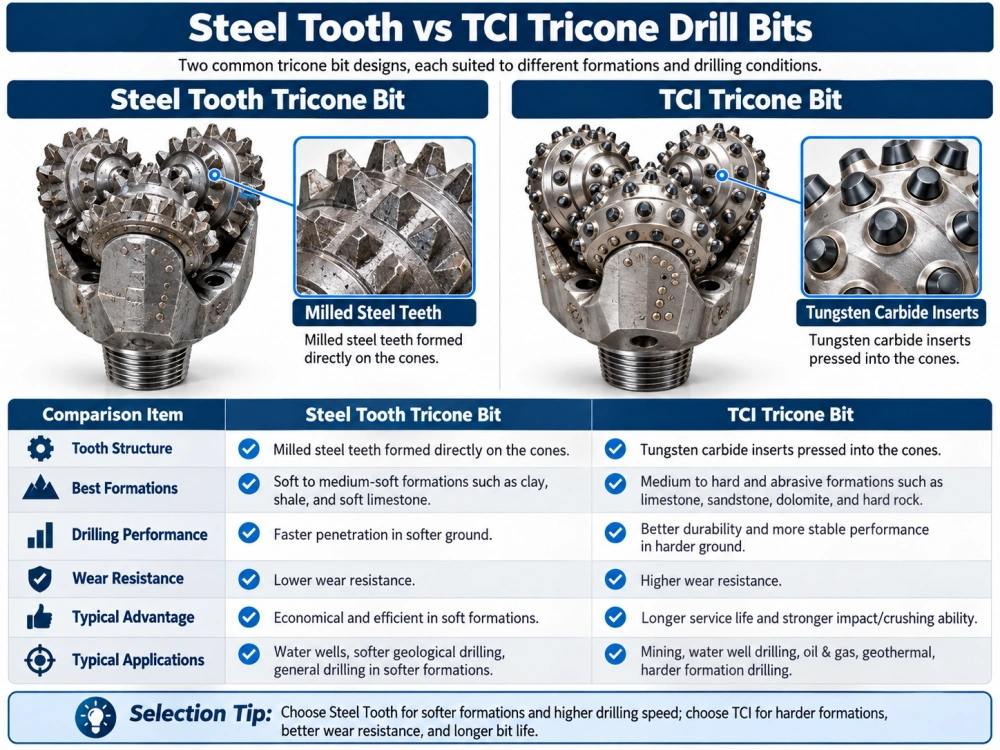
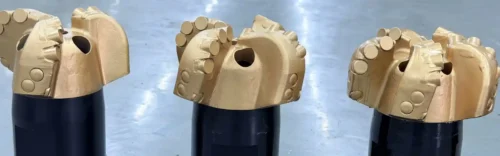
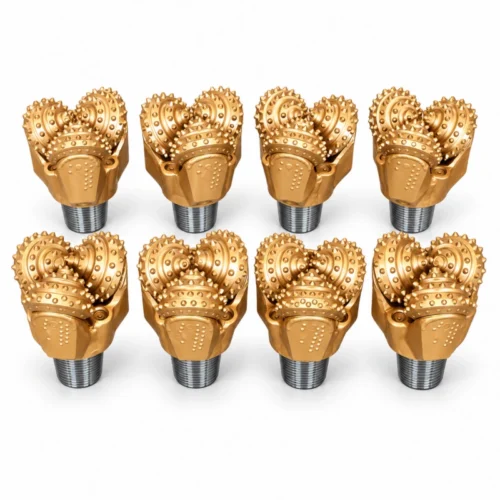
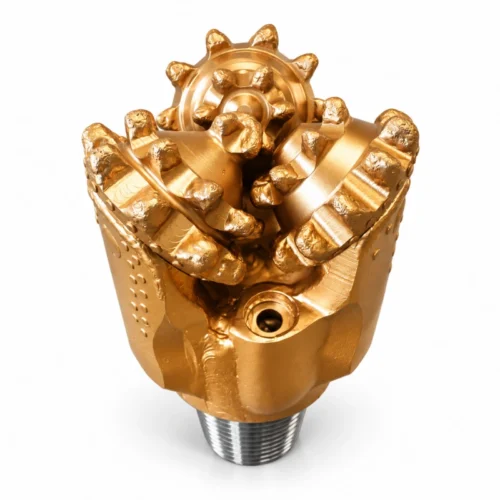
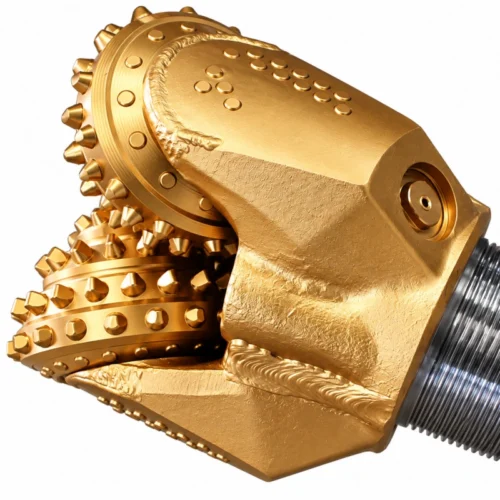
Tricone drill bits can be made with different cutting structures. Two main types are steel tooth, also called milled tooth, and tungsten carbide insert, or TCI for short.
Because of this, the right choice depends mainly on the formation.
Quick summary: Steel tooth bits are often used in softer rock. TCI bits use tungsten carbide inserts and cover a wider range, including harder and more abrasive rock. As a result, the IADC code helps match the bit to the job.
Steel Tooth Tricone Bits
Steel tooth bits have teeth cut into the cone structure. To improve wear resistance, hardfacing may be added to selected tooth surfaces.
Because of this, steel tooth designs are often used in softer formations. In these conditions, longer tooth profiles can penetrate the rock well.
TCI Tricone Bits
TCI bits use tungsten carbide inserts set in the cones. The insert shape, size, projection and layout change with the intended formation.
As a result, different TCI structures can be designed for rock ranging from fairly soft to harder and more abrasive conditions.
Why Tooth Shape Changes
Soft formations generally allow deeper penetration of the cutting structure. On the other hand, harder formations usually need stronger cutting elements with different spacing and projection.
In short, this is why tricone selection should be based on more than diameter.
| Item | Steel Tooth Bit | TCI Bit |
|---|---|---|
| Cutting structure | Machined steel teeth, often with hardfacing | Tungsten carbide inserts |
| Typical formation | Softer end of the range | Broad range, including harder and abrasive rock |
| Tooth profile | Longer profile, deeper penetration | Insert shape and projection vary by formation |
| Wear resistance | Moderate, improved by hardfacing | High, depending on insert grade |
| Best use | Soft to medium formations | Medium to hard and abrasive formations |
The Role of IADC Classification
The drilling industry often uses IADC codes to identify roller-cone cutting structures and design features.
When buying a replacement bit, giving the IADC code of the current bit can help the supplier understand the application. However, if the code is unknown, formation information can be used instead.
Gauge Protection
Gauge wear can reduce the effective hole diameter. Depending on the application, tricone designs may include protection in the gauge area to help keep hole size.
Meanwhile, this becomes especially important in abrasive formations.
Circulation
Drilling fluid or compressed air must remove broken rock from the bottom of the hole. Efficient cleaning helps prevent needless regrinding and supports steady drilling.
Tip: In many tricone jobs, poor cleaning is mistaken for a worn bit. In other words, check air or mud circulation before replacing the bit.
What Should a Buyer Provide?
For a tricone inquiry, useful information includes:
- Bit diameter
- Connection
- IADC code, if known
- Formation
- Drilling depth
- Rig type
- Air or mud circulation
- Photos of previously used bits
In addition, photos of bit wear can be very helpful when checking drilling conditions.
Frequently Asked Questions
What is the difference between steel tooth and TCI tricone bits?
Steel tooth bits have teeth cut into the cone, often with hardfacing. TCI bits use tungsten carbide inserts. Because of this, steel tooth bits are often used in softer rock, while TCI bits cover a wider range including harder and abrasive formations.
Which is better for hard rock, steel tooth or TCI?
For hard and abrasive rock, TCI bits are usually the better choice because tungsten carbide inserts offer higher wear resistance. However, the final choice also depends on the rig, drilling method and formation details.
Why is the IADC code important when ordering a tricone bit?
The IADC code describes the cutting structure and design features of a roller cone bit. Therefore, giving the code of the current bit helps the supplier match the replacement to the same application.
What information helps if I do not know the IADC code?
If the code is unknown, provide the formation description, drilling depth, rig type, bit diameter, connection and photos of used bits. As a result, this information helps the supplier recommend a suitable structure.
Conclusion: Match the Tooth Structure to the Formation
Steel tooth and TCI tricone bits serve different formation needs. Steel tooth designs are often used in softer rock, while TCI structures offer strong wear-resistant cutting elements for a wider range of conditions.
In short, the right selection can greatly improve drilling efficiency and bit life.
Not sure whether a steel tooth or TCI tricone bit fits your formation? Send us your IADC code, formation details and photos of used bits. Our team will help you choose.
Share your formation description, drilling method, bit diameter and connection requirements. We will review your project and recommend a suitable tricone structure.






 English
 Chinese
 Portuguese
 French
 Spanish
 Russian
 Turkish
 Vietnamese