

Why Drill Bit Quality Control Matters
Material inspection, cutter placement, welding, gauge control and final inspection explained
The performance of a drilling tool is shaped by both design and manufacturing consistency. Because of this, two bits that look similar from the outside can still perform very differently.
For example, if materials, cutter positioning, welding quality or size control are not steady, the results in the hole will differ.
For buyers, understanding basic quality-control points can make supplier evaluation much easier.
Quick summary: Good drill bit quality control covers raw material inspection, size accuracy, cutter position, welding and brazing, gauge check, thread check and final inspection. In short, steady materials and steady processes give a reliable foundation.

Raw Material Inspection
Quality control starts before assembly. Depending on the product, makers may need to check:
- Steel body material
- PDC cutters
- Tungsten carbide inserts
- Alloy components
- Thread blanks
- Welding materials
In short, using the right material for the intended drilling job is fundamental.
Dimensional Accuracy
Important sizes may include:
- Overall diameter
- Gauge diameter
- Thread dimensions
- Blade position
- Cutter location
- Flushing passages
However, even small size errors can affect drilling stability or fit with other drilling tools.
Cutting Element Position
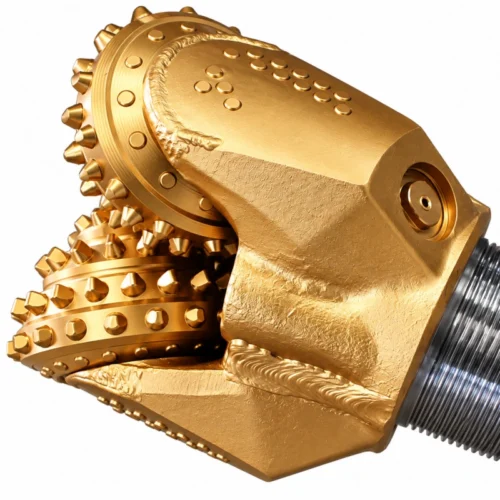
For fixed-cutter bits, the position and angle of cutting elements affect load distribution.
Poor positioning may create uneven wear or unstable drilling behavior. As a result, steady manufacturing should follow the intended design rather than rely only on visual appearance.
Welding and Brazing
Many drilling tools use welding or brazing during manufacturing. Because of this, the process needs proper temperature control, preparation and inspection.
Visible defects or weak joints can lead to early failure under drilling loads.
Gauge Inspection
The finished bit should be checked to confirm the required diameter. In addition, gauge accuracy is especially important because an undersized or oversized bit can affect later drilling steps.
Thread Inspection
The connection transfers torque and load between the drill string and the bit. Therefore, threads should match the specified standard or customer requirement.
Common drilling connections may include different REG, API-related or special drilling-tool connections depending on the product.
Final Inspection
Before shipment, a final inspection can check:
| Check Point | Why It Matters |
|---|---|
| Dimensions | Confirms diameter, gauge and thread fit |
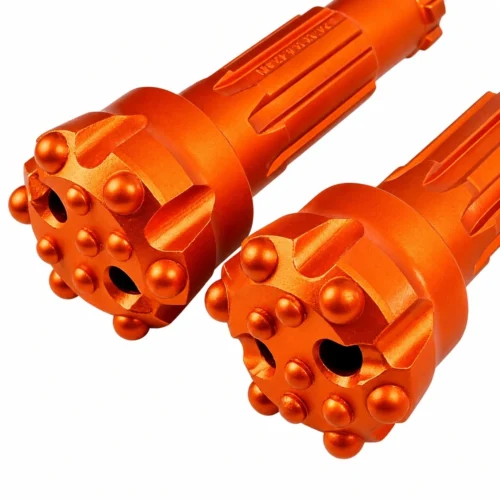
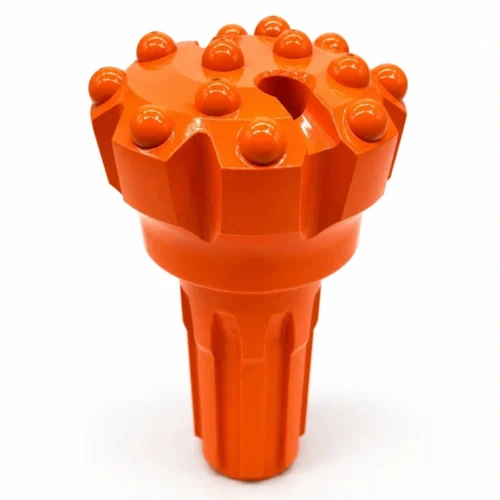
| Cutting structure | Confirms cutter or insert layout |
| Thread condition | Ensures correct connection and load transfer |
| Surface finish | Shows overall manufacturing quality |
| Flushing passages | Supports cleaning and cooling in the hole |
| Product marking | Helps trace the bit model and batch |
| General appearance | Reveals visible defects before shipping |
In addition, a protective coating or suitable packaging can help prevent rust during transport and storage.
Quality Should Match the Application
There is no benefit in adding needless complexity to a simple drilling tool.
In short, good manufacturing means producing the correct structure steadily for its intended job.
Tip: A simple bit made well often outlasts a complex bit made poorly. In other words, consistency matters more than extra features.
Frequently Asked Questions
Why does drill bit quality control matter?
Because two bits that look the same can perform very differently. If materials, cutter position, welding or size control are not steady, the bit may wear faster or fail early in the hole.
What is checked during a drill bit final inspection?
A final inspection usually checks dimensions, cutting structure, thread condition, surface finish, flushing passages, product marking and general appearance.
Why is gauge diameter so important?
Gauge accuracy affects hole size. As a result, an undersized or oversized bit can cause problems in later drilling steps, such as reaming or casing running.
How can a buyer evaluate a drill bit supplier?
Look beyond product appearance and price. Ask about material inspection, size control, cutter positioning, welding inspection and final inspection. In short, review the process, not just the product.
Conclusion: Steady Quality Builds Trust
Quality control cannot promise performance on its own, because drilling conditions also play a large role. However, steady materials and steady manufacturing give a reliable foundation.
Therefore, for professional buyers, supplier evaluation should include manufacturing capability and inspection processes — not simply product appearance and price.
Looking for a drill bit supplier with steady quality control? Send us your product requirements and application details. Our team will share our inspection process and recommend a suitable bit.
Share your formation description, drilling method, bit diameter and connection requirements. We will review your project and respond with a practical recommendation.






 English
 Chinese
 Portuguese
 French
 Spanish
 Russian
 Turkish
 Vietnamese