

Steel-Body PDC Drill Bits for Mining and Mineral Exploration
How cutting structure, wear protection and formation matching affect mining drilling performance
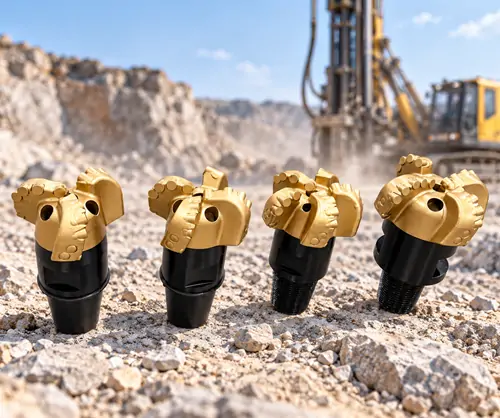
Mining and mineral exploration drilling often runs in some of the most changeable ground in the drilling industry. A single project may pass through weathered rock, shale, sandstone, limestone and other sedimentary layers before reaching stronger or more abrasive rock.
For drilling contractors, the challenge is not simply to find a bit that can cut rock. The real goal is to reach:
Stable penetration + acceptable bit life + reliable hole quality + controlled drilling cost
For suitable formations, steel-body PDC bits can provide an efficient solution for selected mining and mineral exploration jobs. Their main advantage is not simply the steel body. It is the ability to combine structural toughness with flexible blade shapes, optimized cutter placement, large cuttings channels and application-specific wear protection.
Quick summary: Steel-body PDC bits offer toughness, flexible blade design and large cuttings channels. However, cutter layout, hydraulics, gauge protection and formation matching matter far more than body material alone. In short, match the bit to the rock, not to the product name.
Why Mining Drilling Is Different
Mining and mineral exploration projects often meet changing geology. Unlike a uniform formation, mining holes may pass through:
- Weathered rock
- Clay
- Mudstone
- Shale
- Coal seams
- Sandstone
- Limestone
- Dolomite
- Mixed sedimentary formations
- Fractured zones
- Mixed layers
Because of this, the drilling tool may see repeated changes in hardness, cutter load, torque, vibration, abrasiveness and penetration resistance. As a result, formation matching becomes especially important.
For example, a PDC bit designed for fairly uniform soft rock may perform very differently when moved into fractured or highly abrasive ground.
What Is a Steel-Body PDC Drill Bit?
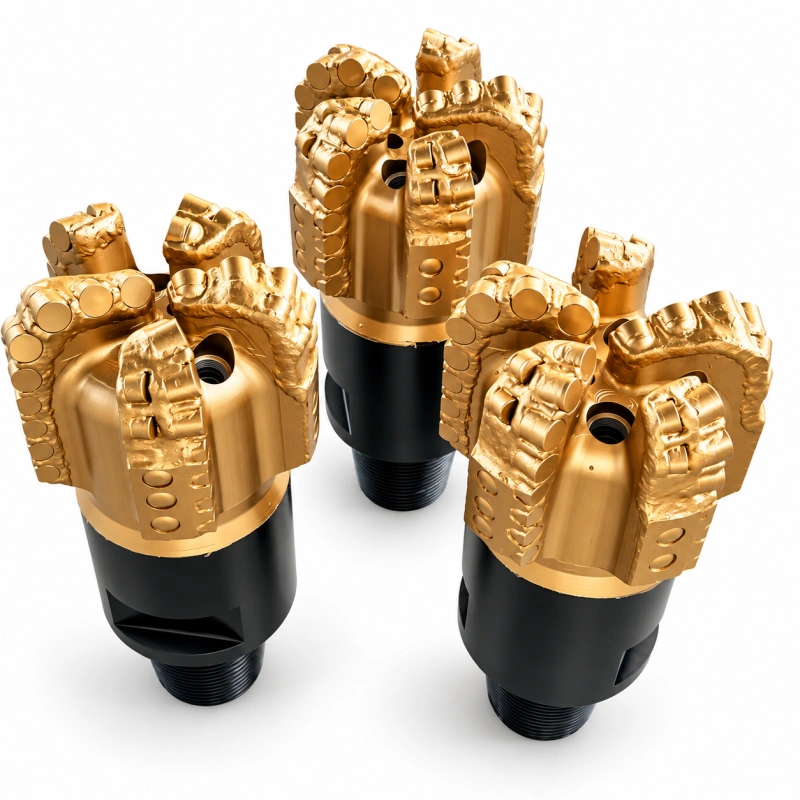
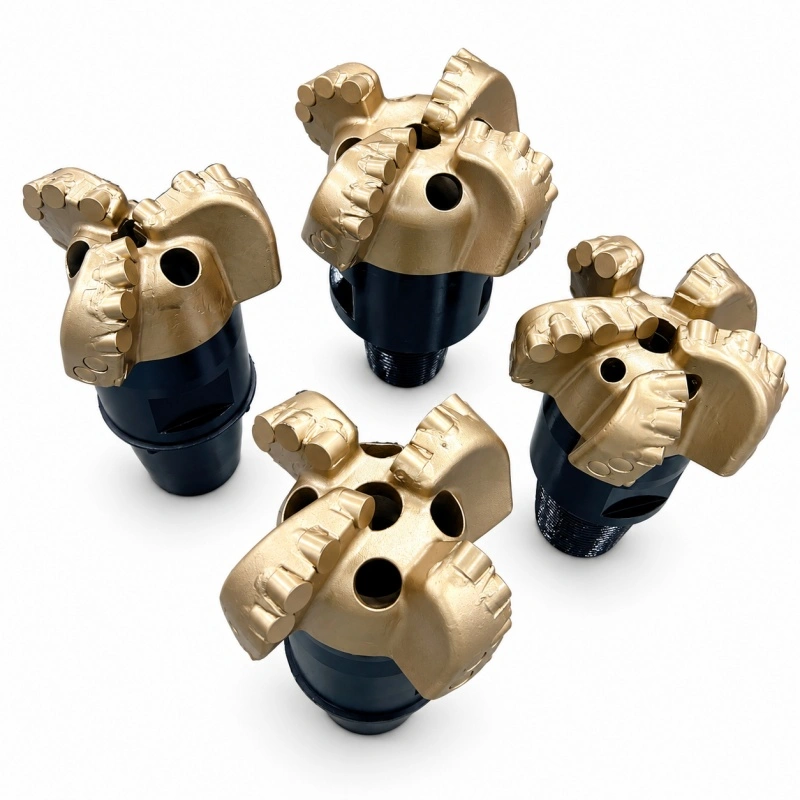
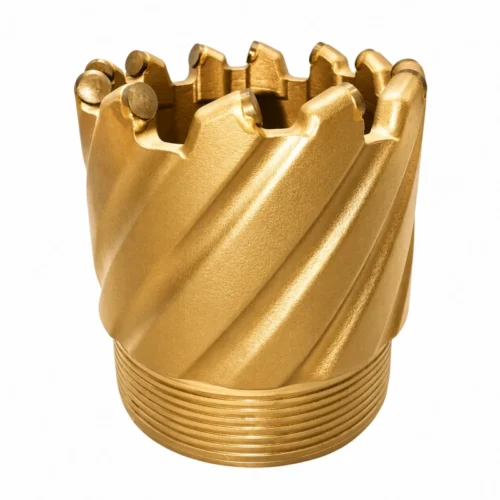
A steel-body PDC bit is a fixed-cutter bit made from a machined steel body fitted with polycrystalline diamond compact cutters. Unlike tricone bits, PDC bits do not use rotating cones or bearings. Instead, the cutters are fixed directly onto the blades.
When the bit turns, these cutters remove rock mainly by continuous shearing. This can give high drilling efficiency in formations that respond well to PDC cutting.
Steel-body construction offers several engineering benefits:
- High structural toughness
- Flexible blade design
- Accurate cutter-pocket machining
- Large potential junk-slot area
- Custom waterway shapes
- Adaptable gauge structures
- Easier local wear protection
However, steel is generally less abrasion-resistant than tungsten-carbide matrix material. Therefore, for mining jobs, hardfacing and gauge protection may be especially important.
Why Steel-Body PDC Bits Can Be Useful in Mining
Mining contractors usually judge tools by productivity, not looks. A good bit must keep useful performance over the required drilling interval. Steel-body PDC designs offer several traits that can help in suitable mining jobs.
Structural Toughness
Steel has strong mechanical toughness. This can give a solid support structure for the cutters. However, toughness should not be confused with unlimited impact resistance. PDC cutters can still chip or fail under heavy impact, vibration or badly fractured rock. Because of this, good cutter layout and stable drilling stay essential.
Flexible Blade Geometry
A steel body can be CNC-machined into different blade setups. Depending on the job, the maker can adjust blade count, blade height, bit profile, cutter density, cutter exposure, waterways, junk slots and gauge structure. This flexibility is very useful when a standard bit does not match the customer’s formation.
Cutter Layout in Mining PDC Bits
The PDC cutters do the main rock-breaking work. However, cutter quantity alone does not decide bit quality. Each cutter works under different conditions depending on its position.
For example, cutters near the outer diameter travel farther in each turn than cutters near the center. As a result, cutting speed and wear can differ a lot across the bit face. A good cutter layout must think about:
- Radial position
- Cutter size
- Cutter exposure
- Back rake
- Formation hardness
- Abrasiveness
- Expected impact load
- Force distribution
The goal is to spread drilling work as evenly as possible. Poor cutter spread may cause:
- Uneven wear
- Local cutter failure
- High torque
- Vibration
- Lower penetration
- Shorter bit life
In short, modern mining PDC designs use force-balanced cutter positions and blade layouts more and more to improve stability.
Blade Count and Drilling Behavior
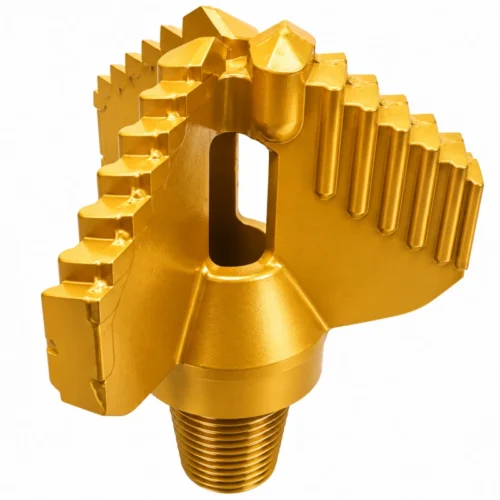
Mining PDC bits can use different blade counts depending on diameter and job. Common setups may include 3-blade, 4-blade, 5-blade, 6-blade and multi-blade structures.
There is no single best blade count. Fewer blades usually give more open space between them and a more aggressive cut. More blades let more cutters spread across the face and may improve stability and load spread. However, extra blades reduce open flow area.
Because of this, the right design needs a balance between:
Cutting aggressiveness + durability + stability + cuttings evacuation
Mining Through Sandstone
Sandstone is one formation where correct PDC selection matters a lot. Some sandstone is fairly easy to drill. Other sandstone holds high quartz content and can be very abrasive.
Because of this, sandstone should never be judged by compressive strength alone. Abrasiveness can strongly affect cutter wear, shoulder wear, gauge wear, body erosion and overall bit life.
For abrasive sandstone, a stronger cutter grade and better wear protection may matter more than top initial penetration. In other words, a bit that drills very fast in the first few meters but wears out quickly may not give the lowest drilling cost.
PDC Drilling in Limestone and Dolomite
Limestone and dolomite appear in many mining and exploration sites. For suitable uniform formations, PDC cutters can give steady continuous shearing. However, drilling behavior can change a lot with rock strength, silica content, abrasiveness, fractures, bedding and mixed layers.
For example, clean limestone may drill very differently from fractured siliceous limestone. Therefore, the cutting structure should be matched to the real geological condition, not simply labelled “limestone drilling.”
Coal and Sedimentary Mining Applications
PDC bits have long been useful in many coal and sedimentary jobs. Typical projects may include:
- Gas drainage holes
- Geological investigation
- Water detection
- Exploration holes
- Grouting
- Mine engineering drilling
Coal-bearing formations often hold a mix of coal, mudstone, shale and sandstone. For suitable sections, PDC structures can give efficient penetration. However, mixed hard and soft layers may create changing cutter loads. Because of this, stability becomes especially important in these conditions.
What About Granite and Very Hard Rock?
This is an area where bit selection needs to be technically accurate. Modern PDC technology has moved well into harder formations. Better cutters, stronger impact resistance and optimized bit structures have widened the range of rock that PDC bits can drill.
However, a steel-body PDC bit should not automatically be recommended for every granite or very hard abrasive formation. Highly hard, abrasive or badly fractured rock can create:
- Strong impact load
- High cutter temperatures
- Fast cutter wear
- Cutter chipping
- Severe body abrasion
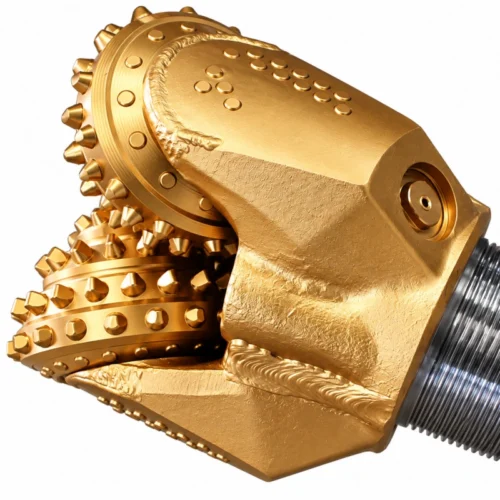
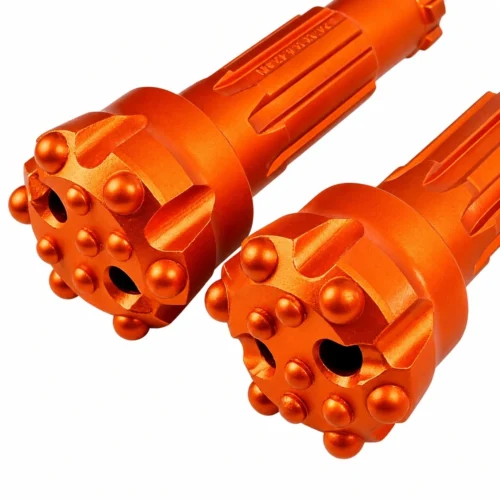
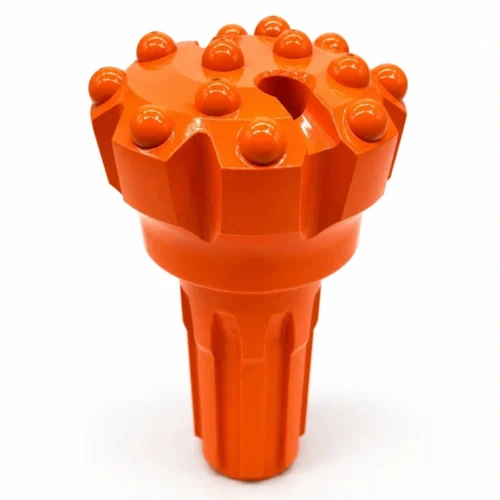
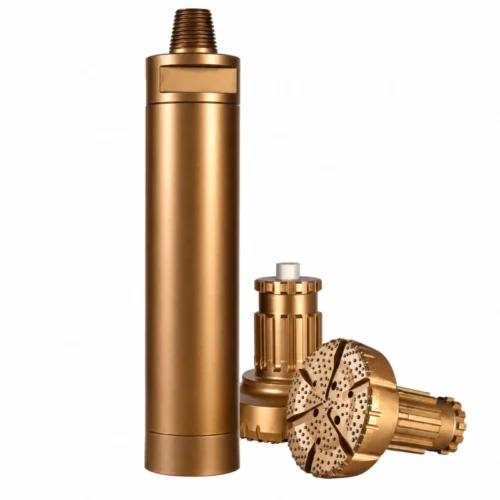
Depending on the job, other options may include DTH hammer and button bits, TCI tricone bits, impregnated diamond bits and other hard-rock systems. In short, the right tool should be chosen by drilling economics and formation conditions.
Tip: In very hard or highly fractured rock, a PDC bit may still work, but the cost per meter may be higher than a tricone or DTH setup. In other words, compare total drilling cost, not just penetration speed.
Cuttings Evacuation in Mining Drilling
After the rock is broken, it must leave the bottom of the hole. Poor cuttings removal can seriously lower drilling performance. If broken material stays under the bit, the cutters may keep grinding old rock instead of cutting fresh formation. This can raise torque, cutter temperature, energy use and wear — while lowering penetration.
Steel-body PDC bits can be made with fairly large junk slots and custom fluid channels. This is especially useful where fast cuttings removal is needed. Good flushing helps:
- Clean PDC cutters
- Cool the cutting structure
- Remove broken rock
- Reduce recutting
- Reduce bit balling
- Keep penetration steady
Bit Balling in Clay and Shale
Mining and exploration holes may also meet sticky formations. Clay-rich material and some shale can build up around the blades and cutters. This is known as bit balling.
When this happens, the cutting elements can become covered with formation material. The bit may still turn, but the cutters no longer bite fresh rock well. Common signs include:
- Sudden drop in penetration rate
- Rising torque
- Poor cuttings return
- Unstable drilling
Large junk slots, good blade spacing and suitable flushing can help reduce this problem.
Gauge Protection in Abrasive Mining Formations
The gauge area controls the outside diameter of the hole. Because this area always touches the borehole wall, it can wear a lot. In abrasive formations, gauge protection is therefore extremely important.
Depending on the design, protection may include:
- Tungsten carbide inserts
- PDC gauge elements
- Hardfacing
- Wear-resistant materials
- Reinforced gauge pads
For example, some mining-oriented steel-body PDC designs use carbide hardfacing and extra gauge protection to improve resistance to abrasion and erosion. The goal is to keep hole diameter and bit stability for as long as possible.
Why Drilling Stability Matters
Drilling vibration is one of the main causes of early PDC cutter damage. Possible problems include:
- Stick-slip
- Lateral vibration
- Whirl
- Impact
- Torque swings
A cutter may have strong wear resistance but still chip when hit hard again and again. Because of this, bit design should think about drilling stability, not just penetration rate. Key factors include balanced cutter load, blade shape, bit profile, gauge design and cutter angle.
In short, in many mining jobs, a slightly less aggressive but more stable bit may drill more meters in the end.
Steel Body vs Matrix Body for Mining
Both technologies can be used in modern PDC drilling. Each has strengths.
| Item | Steel Body | Matrix Body |
|---|---|---|
| Toughness | High | Moderate |
| Machining freedom | High | Lower |
| Junk-slot area | Generally larger | Generally smaller |
| Abrasion resistance | Lower, can be improved with hardfacing | High |
| Erosion resistance | Lower | High |
| Best use | Flexible design, cuttings flow | Abrasive and erosive ground |
Therefore, the right decision should not be based on “is steel better than matrix?” Instead ask “which body and cutting structure best matches the formation and drilling system?”
PDC Bits for Mineral Exploration
Mineral exploration drilling has different goals from production blast-hole drilling. In many exploration projects, geological information matters more than simply drilling the fastest hole.
Depending on the program, contractors may use:
- Non-coring PDC bits
- PDC core bits
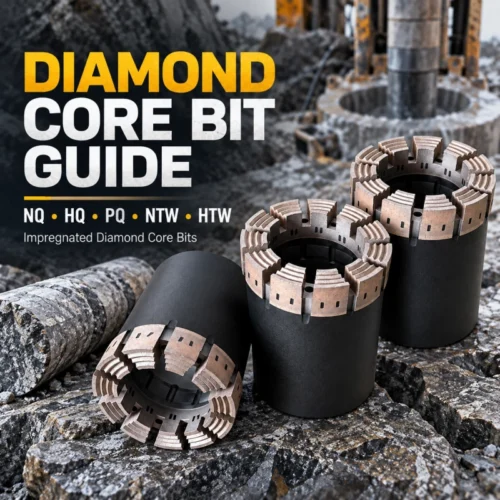
- Diamond core bits
- Tricone bits
- DTH systems
The right method depends on whether the project needs fast pilot drilling, formation identification, rock sampling, core recovery or borehole preparation.
In short, PDC is one part of a broader exploration drilling system — not the only technology needed for every exploration project.
PDC Core Bits for Geological Exploration
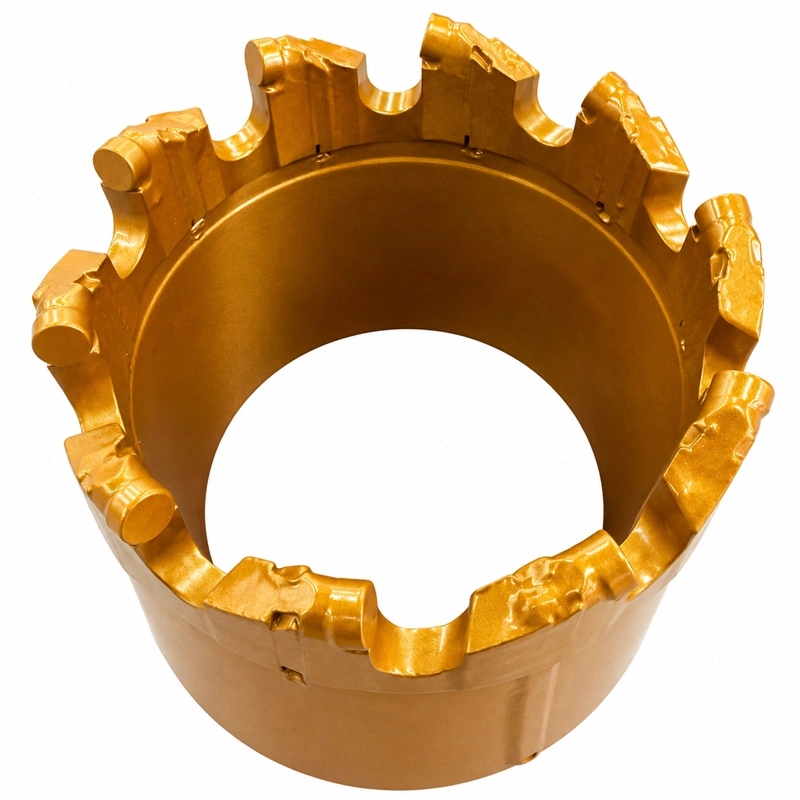
When core samples are needed, PDC core bits can give efficient coring in suitable formations. Unlike full-face bits, a PDC core bit cuts an annular path around the formation. The center stays as a cylindrical core that enters the core barrel.
PDC core bits may be considered for geological exploration, engineering investigation, rock sampling, water-well investigation and selected mineral exploration. The cutting structure needs to balance:
Penetration rate + stability + core protection
For very hard or highly abrasive core-drilling formations, impregnated diamond bits may give better results.
Combination-Cutter PDC Core Bits
Combination-cutter structures are used in some PDC core drilling jobs to improve cutting efficiency and load spread. The design may be adjusted for outside diameter, core diameter, cutter spec, formation, drilling settings and flushing system.
At Chenghui, custom PDC core bits can be reviewed according to the customer’s real geological and equipment conditions.
Choosing Between PDC, Tricone and DTH
Mining customers often ask which drilling system they should use. There is no single answer.
| System | How It Breaks Rock | Best For |
|---|---|---|
| PDC | Continuous shearing with fixed cutters | Suitable soft to medium-hard formations |
| Tricone | Crushing, indentation and scraping with rotating cones | Changing formations where impact tolerance matters |
| DTH | Percussive energy applied directly behind the bit | Hard rock and impact drilling |
The most economical system depends on rock type, hole diameter, hole depth, required penetration rate, rig, compressor capacity and project economics.
Reading a Worn Mining PDC Bit
One of the most useful ways to improve the next bit is to check the last one. Wear patterns hold information about downhole conditions.
| Wear Sign | Possible Cause |
|---|---|
| Shoulder wear | Abrasive rock or too much load concentration |
| Gauge wear | Heavy borehole-wall abrasion |
| Cutter chipping | Impact, vibration, fractures or downhole debris |
| Uneven blade wear | Poor force balance or unstable drilling |
| Packed formation around blades | Poor cleaning or bit balling |
Because of this, we encourage customers to send clear photos of worn bits. A used bit can sometimes tell us more than a formation description alone.
Customized Mining PDC Drill Bits
Standard bits cannot solve every mining problem. Depending on the project, we can review changes to:
- Bit diameter
- Blade count
- Cutter specification and quantity
- Cutter layout
- Bit profile
- Waterways
- Gauge structure
- Wear protection
- Connection
Customers can provide technical drawings, used-bit photos, formation information, rig model, required diameter and thread connection. This lets us review the bit setup before production.
What Information Should a Mining Customer Provide?
For a better recommendation, please provide the following:
| Item | What to Provide |
|---|---|
| Hole diameter | The size you need |
| Formation | Coal, mudstone, sandstone, limestone, dolomite, shale, weathered or mixed rock |
| Hardness and abrasiveness | Lab data if possible; photos and past experience also help |
| Application | Mine exploration, gas drainage, water detection, grouting, pilot drilling, geological investigation |
| Drill rig | Rig model and key parameters |
| Connection | Required thread or existing drill-string spec |
| Current problem | Faster penetration, longer life, less vibration, better gauge life or better cuttings flow |
In short, the clearer the problem, the more useful the bit recommendation.
Cost per Meter Matters More Than Bit Price
Mining contractors should judge total drilling cost, not just the purchase price of the bit. Consider:
- Bit cost
- Total meters drilled
- Penetration rate
- Number of bit changes
- Rig downtime
- Labor
- Fuel or energy
- Maintenance
- Risk of drilling stops
A cheaper bit that needs frequent replacement may create a higher total drilling cost. Because of this, the more useful measure is:
Total Drilling Cost ÷ Total Meters Drilled
In short, long-term bit performance should be judged together with purchase price.
Frequently Asked Questions
Are steel-body PDC bits suitable for mining?
Yes, for suitable formations. They work well where toughness, flexible blade shapes, large cuttings channels and custom wear protection matter. However, formation type, cutter layout and hydraulics matter far more than the body material alone.
Can PDC bits drill granite or very hard rock?
Some modern PDC designs can drill fairly hard rock, but a steel-body PDC bit should not be recommended automatically for every granite or very hard abrasive formation. In very hard or highly fractured rock, DTH, tricone or impregnated diamond bits may be more economical.
Why does bit balling happen in mining drilling?
Clay-rich material and some shale can build up around the blades and cutters. When this happens, the cutters lose contact with fresh rock, penetration drops and torque rises. Large junk slots and suitable flushing can help reduce this problem.
Should I choose steel body or matrix body for mining?
It depends on the project. Steel bodies give high toughness, flexible blade shapes and larger cuttings channels. Matrix bodies resist abrasion and erosion better. Therefore, the right choice depends on the formation and the drilling system.
What information should I provide before ordering a mining PDC bit?
Provide hole diameter, formation type, hardness and abrasiveness, application, rig model, connection and the problem you want to solve. Photos of rock, cuttings, core samples or worn bits also help a lot.
Conclusion: Reliable Drilling Starts With Formation Matching
Steel-body PDC bits can give strong performance in many mining and mineral exploration jobs. However, the key is not simply choosing a steel body. Real performance depends on the full system:
PDC Cutter + Cutter Layout + Blade Structure + Bit Profile + Hydraulics + Gauge Protection + Operating Parameters
Because of this, our approach is simple: understand the formation first, then design the bit around the real drilling conditions.
If your mining project needs a custom PDC bit, send us your diameter, formation, application, drilling depth, rig model and connection. If possible, also send rock photos, core samples, drill cuttings or worn-bit photos. In short, the more we understand before production, the better the bit will fit the job.
Working on a mining or mineral exploration project and need a steel-body PDC bit matched to your formation? Send us your drilling conditions and our team will recommend a suitable cutting structure.
Share your diameter, formation, application, drilling depth, rig model and connection. Photos of rock, core samples, cuttings or worn bits also help a lot.







 English
 Chinese
 Portuguese
 French
 Spanish
 Russian
 Turkish
 Vietnamese