

DTH Hammer Drilling: Air Pressure, Air Volume and Hole Cleaning Explained
How compressed-air pressure and volume affect hammer power and cuttings removal
Compressed air is the power source of a pneumatic down-the-hole (DTH) hammer. However, when people talk about compressor choice, two terms are often mixed up: pressure and air volume.
Both matter. Even so, they do different jobs inside the drilling system.
Quick summary: Pressure drives the hammer. Volume cleans the hole. In short, a good DTH setup needs the right amount of both — matched to the hammer, the bit and the hole diameter.
How a DTH Hammer Works
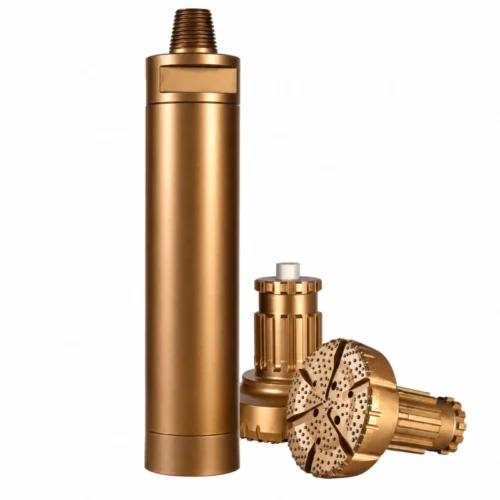
A DTH hammer works at the bottom of the borehole. Compressed air is sent through the drill string into the hammer. Inside the hammer, the airflow drives a piston back and forth.
The piston strikes the shank of the DTH drill bit again and again. At the same time, the rig turns the drill string so the carbide buttons meet new rock.
Because of this, the hammer combines four things:
- Percussion
- Rotation
- Feed force
- Air flushing
What Does Air Pressure Do?
Pressure gives the energy needed to run the hammer. Inside the hammer’s working range, pressure affects how much impact energy the piston can deliver.
Because of this, the hammer maker’s specs should always be checked when matching a compressor. Using rough pressure guesses for every DTH hammer is not a good practice.
What Does Air Volume Do?
Air volume is very important for flushing. After it runs the piston, exhaust air leaves through passages in the hammer and drill bit.
This air helps carry broken rock up through the borehole annulus. As hole diameter grows, more air may be needed to keep cuttings transport strong.
Pressure and Volume Are Not the Same
A compressor may give fairly high pressure but not enough volume for a large-diameter hole. Another compressor may give a lot of volume but work below the pressure the hammer needs.
Because of this, a proper DTH setup must look at both sides. In short, one number alone cannot tell you if the compressor will do the job.
Why Hole Diameter Matters
Think about the space between the drill string and the borehole wall. As hole diameter grows, the cross-sectional area of this annular space also grows.
If airflow does not rise with it, upward air speed can drop. As a result, cuttings removal becomes less efficient.
| Situation | Typical Effect |
|---|---|
| Larger hole, same air volume | Lower return speed, weaker cleaning |
| Smaller hole, same air volume | Higher return speed, better cleaning |
| Deep hole, same air volume | More losses, weaker cleaning at bottom |
| Water inflow, same air volume | Extra energy needed to lift water and cuttings |
What Happens When Cuttings Are Not Removed?
Poor cleaning can lead to:
- Regrinding of broken rock
- Lower penetration rate
- Higher bit wear
- More risk of drill-string problems
- Harder to keep the borehole clean
Because of this, DTH drilling depends not only on impact power but also on strong cuttings removal.
Tip: If DTH penetration drops, many people blame the hammer. In fact, poor hole cleaning is often the real cause. In other words, check air volume and return speed before opening the hammer.
Groundwater Changes the Situation
Water entering the borehole can change DTH working conditions. Extra energy may be needed to lift both water and cuttings.
Therefore, deep holes and strong water inflow may place higher demands on the compressor and the whole drilling system.
Bit Face and Flushing Design
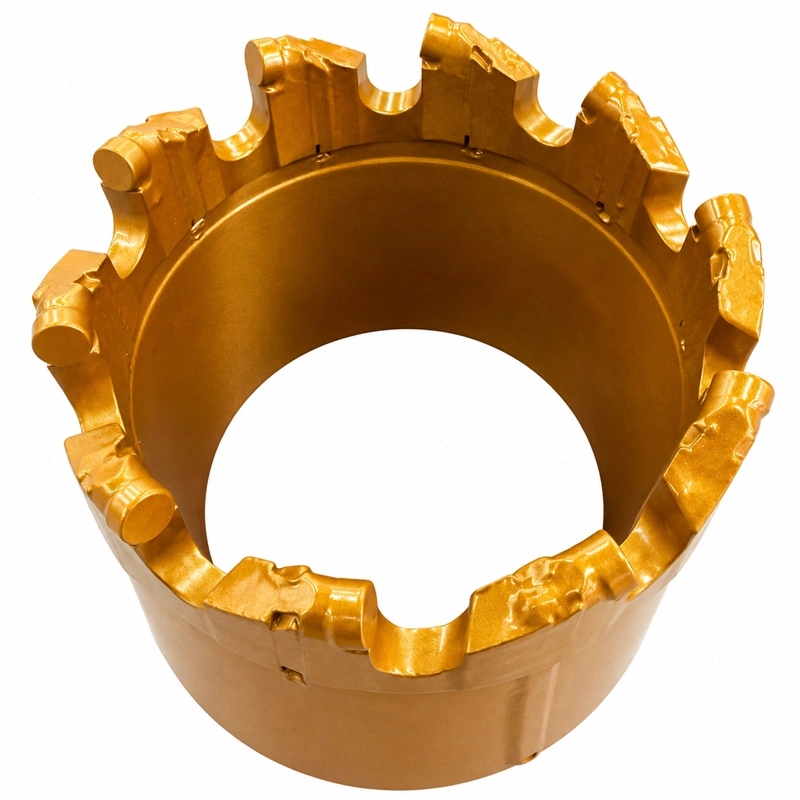
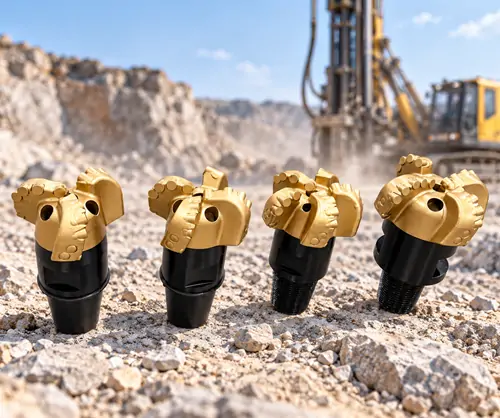
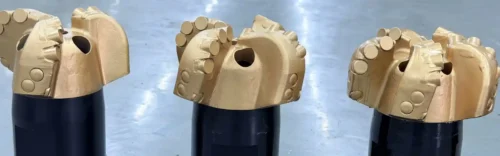
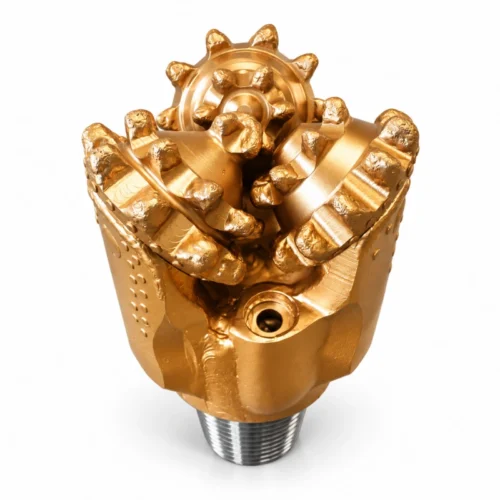
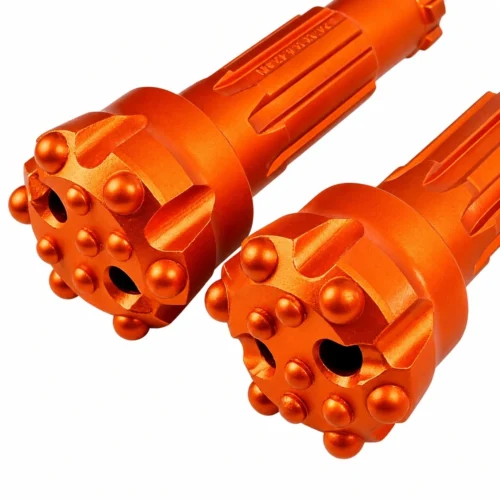
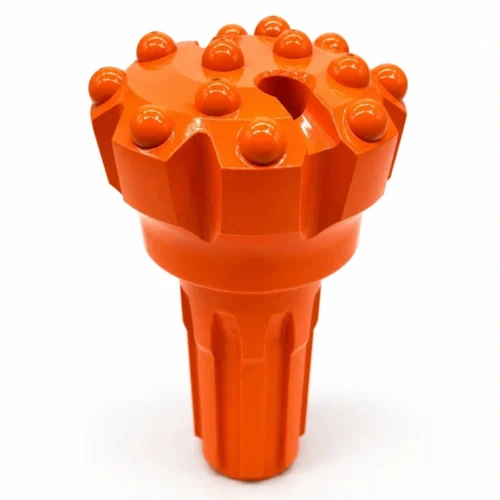
DTH drill bits have flushing passages. The face design and flushing-hole layout affect how well broken rock is moved away from the bottom of the hole.
Because of this, a good bit is not just a steel body with carbide buttons. Its air-cleaning design matters too.
The Importance of Matching Hammer and Bit
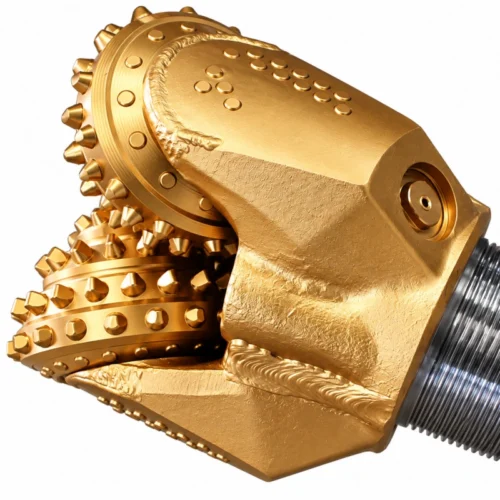
A DTH bit must match the hammer’s shank system. The splined connection passes rotation while allowing the axial movement needed during hammer work.
However, a wrong shank is not interchangeable just because the bit diameter looks similar. In short, always match the shank, not just the size.
Compressor Selection Questions
Before selecting a DTH system, find out:
- Hammer size
- Hammer model
- Required bit diameter
- Hole depth
- Formation
- Expected groundwater
- Compressor pressure capability
- Compressor air-volume capability
Follow Manufacturer Specifications
There is no single correct pressure or air-volume number for all DTH hammers. Needs vary a lot with hammer size, design and working environment.
Therefore, the safest approach is to start with the hammer maker’s specs and then check the borehole needs.
Frequently Asked Questions
What is the difference between air pressure and air volume in DTH drilling?
Pressure gives the energy to run the hammer and drives the piston. Volume is needed mainly for flushing and cuttings removal. Both are important, but they do different jobs.
Can high pressure make up for low air volume?
No. High pressure cannot replace volume for hole cleaning. If air volume is too low, return speed drops, cuttings build up and penetration falls even when pressure looks fine.
Why does hole diameter affect DTH performance?
As hole diameter grows, the annular space between the drill string and borehole wall also grows. If airflow does not rise with it, return air speed drops and cuttings removal becomes weaker.
Does groundwater affect DTH air requirements?
Yes. Water entering the hole needs extra energy to lift. Because of this, deep holes and strong water inflow may place higher demands on the compressor and the whole drilling system.
How do I choose the right compressor for my DTH hammer?
Start with the hammer maker’s specs for pressure and air volume. Then check your hole diameter, depth, formation, expected groundwater and rig setup. In short, match the compressor to the full system, not to a single number.
Conclusion: DTH Efficiency Comes From the Whole System
DTH drilling works best when every part matches. Air pressure powers the hammer. Air volume does most of the hole cleaning. Rotation indexes the cutting structure. Feed keeps the bit in steady contact with the rock.
In short, when compressor, hammer, bit and hole diameter are properly matched, the whole system can drill efficiently.
Need help matching a DTH hammer and bit to your compressor? Send us your hole diameter, formation and air supply details. Our team will recommend a suitable setup.
Share your hammer model, bit size, drilling depth and groundwater conditions. We will review your project and reply with a practical recommendation.







 English
 Chinese
 Portuguese
 French
 Spanish
 Russian
 Turkish
 Vietnamese